
Transitica rolling stock: Difference between revisions
| Revision as of 20:19, 25 November 2026 claude (Rolling stock: full history, design and real-world specifications for every line's train, from Wikipedia) | Revision as of 20:23, 25 November 2026 claude (Seoul trains: rewrite rolling stock sections from Namu Wiki) | ||
|---|---|---|---|
| Line 706: | Line 706: | ||
| − | <p class="rs-summary">Seoul Subway Line 2 is the city's busy circular line, and since 2005 Seoul Metro has been replacing its original 1980s trains with a new generation of 2000-series cars. They have been built in batches: Hyundai Rotem built the first in 2005 and a large second batch in 2007–2008; Dawonsys built 200 cars (20 trains) in 2017–2018; Hyundai Rotem built 214 more in 2019–2020; and Dawonsys added cars in 2020–2022 for the branch lines. <a href="/wiki/Zulu_(ZU)_line#Rolling_stock">Read more on the line's page.</a></p> | + | <p class="rs-summary">Seoul Subway Line 2, the city's circular line, has been re-equipped since 2005 with VVVF-controlled 2000-series trains, bought in five batches. Rotem (later Hyundai Rotem) built the first in 2005 and a large second batch in 2007–2008. <a href="/wiki/Zulu_(ZU)_line#Rolling_stock">Read more on the line's page.</a></p> |
- Cars: 9 | - Cars: 9 | ||
| Line 992: | Line 992: | ||
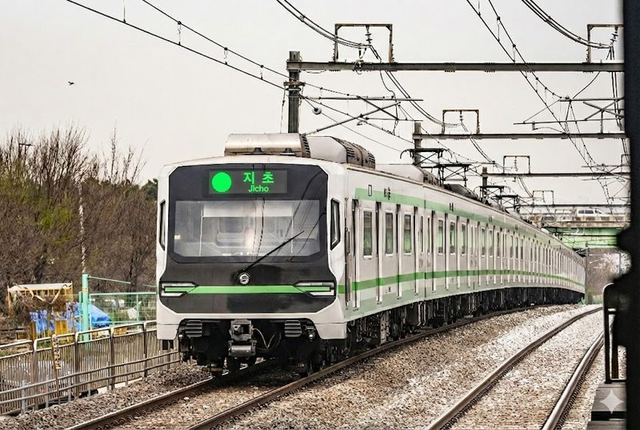 |  | ||
| − | <p class="rs-summary">Seoul Subway Line 3 runs from Goyang in the north-west through central Seoul to Gangnam and Ogeum. Its old chopper-controlled trains, some of them inherited from Line 4, ran until 2022. <a href="/wiki/Titanium_(TI)_line#Rolling_stock">Read more on the line's page.</a></p> | + | <p class="rs-summary">Seoul Subway Line 3's VVVF-controlled 3000-series trains came in two batches. Hyundai Rotem built the first, 34 trains, in 2009–2010. <a href="/wiki/Titanium_(TI)_line#Rolling_stock">Read more on the line's page.</a></p> |
- Cars: 3 | - Cars: 3 | ||
| Line 1004: | Line 1004: | ||
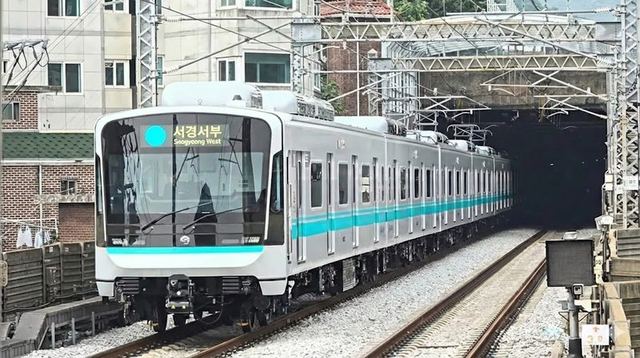 |  | ||
| − | <p class="rs-summary">Seoul Subway Line 4 runs from Jinjeop in the north-east through central Seoul and on, as Korail's Gwacheon and Ansan lines, to Oido. The original 4000-series trains of 1993 have been replaced generation by generation, and the newest trains took over from the last of them in 2025. <a href="/wiki/Vanadium_(VD)_line#Rolling_stock">Read more on the line's page.</a></p> | + | <p class="rs-summary">Seoul Subway Line 4's 4000-series trains were Seoul's first VVVF trains: the first batch, built by Hyundai Precision in 1993, and the second, by Daewoo Heavy Industries in 1994–1995. No new trains came for 25 years, until Hyundai Rotem built five trains (50 cars) in 2020 for the Jinjeop Line extension; those are owned by the national government. <a href="/wiki/Vanadium_(VD)_line#Rolling_stock">Read more on the line's page.</a></p> |
- Cars: 4 | - Cars: 4 | ||
| Line 1016: | Line 1016: | ||
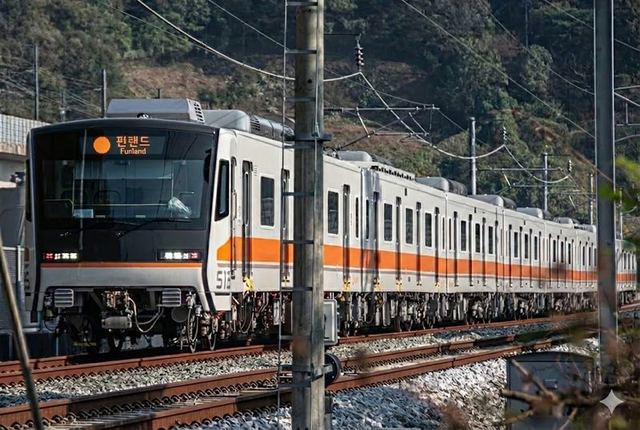 |  | ||
| − | <p class="rs-summary">Seoul Subway Line 5 runs east–west across Seoul from Banghwa near Gimpo Airport to Hanam and Macheon. Its 5000-series trains have come in several generations since the line opened in the 1990s; the original trains are retired, and the newest generations, from 2024 onwards, are replacing the older 1990s trains. <a href="/wiki/Chromium_line#Rolling_stock">Read more on the line's page.</a></p> | + | <p class="rs-summary">Seoul Subway Line 5 has 105 eight-car trains (840 cars) of the 5000 series, bought in six batches. Hyundai Precision built the first two batches in 1994–1996 for the line's opening. <a href="/wiki/Chromium_line#Rolling_stock">Read more on the line's page.</a></p> |
Revision as of 20:23, 25 November 2026
Every line of the Transitica Railway Network has a rolling stock: the real-world train its trains are modelled on. Each line's article describes its train.
- 1 Notes on acronyms
- 2 By line
- 3 Details
- 3.1 MTA (Kawasaki) R211T
- 3.2 MTA R110B
- 3.3 MTA R179
- 3.4 MTA R160A
- 3.5 MTA R160B
- 3.6 MTA R211S
- 3.7 MTA R143
- 3.8 MTA R211A
- 3.9 MTA R262
- 3.10 MTA R188
- 3.11 MTA R110A
- 3.12 MTA R142
- 3.13 MTA R142A
- 3.14 LIRR M9
- 3.15 MNR M9A
- 3.16 LIRR (Bombardier) M7
- 3.17 MNR (Bombardier) M7A
- 3.18 LIRR M3
- 3.19 MNR M8
- 3.20 CTA 2600 Series
- 3.21 CTA 7000 Series
- 3.22 CTA (Morrison-Knudsen) 3200 Series
- 3.23 CTA (Boeing-Vertol) 2400 Series
- 3.24 CTA 5000 Series
- 3.25 E231-900 Series
- 3.26 E231-3000 Series
- 3.27 E231-0 Series
- 3.28 Chiba New Town Railway 9800 Series
- 3.29 Chiba New Town Railway 9200 Series
- 3.30 WMATA (Kawasaki) 7000 Series
- 3.31 WMATA (CAF) 5000 Series
- 3.32 WMATA (Alstom) 6000 Series
- 3.33 Aoimori 703 Series
- 3.34 JR East (J-TREC) E233-6000 Series
- 3.35 JR East (Tokyu Car, Kawasaki) E531 Series
- 3.36 JR East (Kawasaki, Tokyu Car, J-TREC) E721-0 Series
- 3.37 JR East (Kawasaki, Tokyu Car) E231-0 Series
- 3.38 JR East E233-8500 Series
- 3.39 JR East E233-8000 Series
- 3.40 JR Central 315 Series
- 3.41 MUNI Siemens S200
- 3.42 Seoul Metro 2000 Series (3rd generation)
- 3.43 MBTA (CRRC) Red Line 1900-series
- 3.44 MBTA (Bombardier) Red Line 1800-series
- 3.45 LA Metro (CRRC) HR4000
- 3.46 LA Metro (Hyundai Rotem) HR5000
- 3.47 MBTA (CRRC) Orange Line 1400-series
- 3.48 Kintetsu (Kinki Sharyo) 8A Series
- 3.49 JR West (Kawasaki) 323 Series
- 3.50 JR East E231-800 Series
- 3.51 Nagoya (Hitachi, Nippon Sharyo) Municipal Subway N3000 Series
- 3.52 JR East E233-5000 Series
- 3.53 Miami Metrorail (Hitachi Rail Italy) cars
- 3.54 Baltimore Metro (Hitachi Rail Italy) cars
- 3.55 London Underground (Siemens) 2024 Stock
- 3.56 London Underground (Alstom/Metro-Cammell) 1996 Stock
- 3.57 London Underground (Alstom/Metro-Cammell) 1995 Stock
- 3.58 JR East (JR East Niitsu, Kawasaki, Tokyu Car, J-TREC) E233-0 Series
- 3.59 JR East (JR East Niitsu, Kawasaki, Tokyu Car) E233-1000 Series
- 3.60 JR East (Tokyu Car, J-TREC) E233-2000 Series
- 3.61 Vancouver Skytrain (Alstom) Mark V
- 3.62 Vancouver Skytrain (Hyundai Rotem) EMU
- 3.63 Vancouver Skytrain (Bombardier) ART Mark II (2nd generation)
- 3.64 Vancouver Skytrain (Bombardier) Innovia Metro Mark III
- 3.65 71-911 (PC Transport Systems / Tverskyo Vagonostroitelniy) Light Rail Cars
- 3.66 Seoul Metro 3000 series (second generation, second batch) (Dawonsys)
- 3.67 Seoul Metro 4000 series (fifth generation)
- 3.68 Seoul Metro 5000 Series (5th generation)
Notes on acronyms
- Alstom = AL
- Bombardier = BM
- Kawasaki = KW
- Third Rail = TR
- Overhead Wire = OW
- Communications-based train control = CBTC
- Flexible Information and Notice Display = FIND (LCD screen that displays route, route info, and ad that shows a LED strip map that displays the next 10 stations and 5 consecutive "further stops" to riders)
- Flexible Ceiling Strip Display = FCSD (LCD strip map that displays next 10 stations and consecutive "further stops" and also displays additional info when arriving at a station such as specific bus transfers, elevator location, stair locations, and which car the passenger is in)
- FDD = Front destination display
By line
| Line | Rolling stock | Cars | Car length | Platform length |
|---|---|---|---|---|
 Red line | MTA (Kawasaki) R211T | 3 | 18.3 m (60 ft) | 60 m (197 ft) |
 Blue line | MTA R110B | 3 | 20.42 (67 ft) | 60 m (197 ft) |
 Yellow line | MTA R179 | 3 | 18.3 m (60 ft) | 60 m (197 ft) |
 Green line | MTA R160A | 3 | 18.3 m (60 ft) | 60 m (197 ft) |
 Emerald line | MTA R160B | 3 | 18.3 m (60 ft) | 60 m (197 ft) |
 Orange line | MTA R211S | 3 | 15.5 m (51 ft) | 60 m (197 ft) |
 Purple line | MTA R143 | 3 | 18.3 m (60 ft) | 60 m (197 ft) |
 Pink line | MTA R211A | 3 | 18.3 m (60 ft) | 60 m (197 ft) |
 Gray line | MTA R262 | 3 | 15.5 m (51 ft) | 60 m (197 ft) |
 Beige line | MTA R188 | 3 | 15.65 m (51 ft 4 in) | 60 m (197 ft) |
 Azure line | MTA R110A | 3 | 15.65 m (51 ft 4 in) | 60 m (197 ft) |
 Cyan line | LIRR M9 | 3 | 25.9 m (85 ft) | 80 m (262.5 ft) |
 Teal line | MNR M9A | 3 | 25.9 m (85 ft) | 80 m (262.5 ft) |
 Brown line | LIRR (Bombardier) M7 | 3 | 25.9 m (85 ft) | 80 m (262.5 ft) |
 Maroon line | MNR (Bombardier) M7A | 3 | 25.9 m (85 ft) | 80 m (262.5 ft) |
 Silver line | LIRR M3 | 3 | 25.9 m (85 ft) | 80 m (262.5 ft) |
 Indigo line | MNR M8 | 3 | 25.9 m (85 ft) | 80 m (262.5 ft) |
 Beta line | CTA 2600 Series | 4 | 14.6 m (48 ft) | 60 m (197 ft) |
 Gamma line | CTA 7000 Series | 4 | 14.6 m (48 ft) | 60 m (197 ft) |
 Delta line | CTA (Morrison-Knudsen) 3200 Series | 4 | 14.6 m (48 ft) | 60 m (197 ft) |
 Epsilon line | CTA (Boeing-Vertol) 2400 Series | 4 | 14.6 m (48 ft) | 60 m (197 ft) |
 Zeta line | CTA 5000 Series | 4 | 14.6 m (48 ft) | 60 m (197 ft) |
 Kappa line | E231-900 Series | 3 | 20 m (65.6 ft) | 60 m (197 ft) |
 Lambda line | E231-3000 Series | 6 | 20 m (65.6 ft) | 121 m (397 ft) |
 Mu line | E231-0 Series | 6 | 20 m (65.6 ft) | 121 m (397 ft) |
 Nu line | Chiba New Town Railway 9800 Series | 7 | 18 m (59.1 ft) | 140 m (459.3 ft) |
 Xi line | Chiba New Town Railway 9200 Series | 7 | 18 m (59.1 ft) | 140 m (459.3 ft) |
 Omicron line | WMATA (Kawasaki) 7000 Series | 2 | 22.86 m (75 ft) | 60 m (197 ft) |
 Pi line | WMATA (CAF) 5000 Series | 2 | 22.86 m (75 ft) | 60 m (197 ft) |
 Rho line | WMATA (Alstom) 6000 Series | 2 | 22.86 m (75 ft) | 47 m (154.2 ft) |
 Sigma line | Aoimori 703 Series | 3 | 20 m (65.6 ft) | 67 m (219.8 ft) |
 Tau line | JR East (J-TREC) E233-6000 Series | 5 | 20 m (65.6 ft) | 110 m (360.9 ft) |
 Upsilon line | JR East (Tokyu Car, Kawasaki) E531 Series | 8 | 20 m (65.6 ft) | 169 m (554.5 ft) |
 Phi line | JR East (Kawasaki, Tokyu Car, J-TREC) E721-0 Series | 7 | 20 m (65.6 ft) | 151 m (495.4 ft) |
 Chi line | JR East (Kawasaki, Tokyu Car) E231-0 Series | 2 | 20 m (65.6 ft) | 33 m (108.3 ft) |
 Eta line | JR East E233-8000 Series | 5 | 20 m (65.6 ft) | 105 m (344.5 ft) |
 Psi line | JR Central 315 Series | 2 | 20.1 m (65.9 ft) | 52 m (170.6 ft) |
 Echo line | MUNI Siemens S200 | 2 | 23 m (74 ft) | 40 m (131.2 ft) |
 Zulu line | Seoul Metro 2000 Series (3rd generation) | 9 | 19.5 m (64 ft) | 172 m (564.3 ft) |
 Foxtrot line | MBTA (CRRC) Red Line 1900-series | 8 | 21.28 m (69.8 ft) | 90.5 m (296.9 ft) |
 Sierra line | MBTA (Bombardier) Red Line 1800-series | 16 | 21.18 m (69.5 ft) | 181 m (593.8 ft) |
 Tango line | LA Metro (CRRC) HR4000 | 8 | 22.86 m (75 ft) | 181 m (593.8 ft) |
 Yankee line | LA Metro (Hyundai Rotem) HR5000 | 8 | 22.86 m (75 ft) | 181 m (593.8 ft) |
 Hydrogen line | MBTA (CRRC) Orange Line 1400-series | 6 | 20 m (65.6 ft) | 121 m (397 ft) |
 Helium line | Kintetsu (Kinki Sharyo) 8A Series | 6 | 20.72 m (68 ft) | 125 m (410.1 ft) |
 Lithium line | JR West (Kawasaki) 323 Series | 15 | 20 m (65.6 ft) | 300 m (974.3 ft) |
 Calcium line | JR East E231-800 Series | 2 | 20 m (65.6 ft) | 30 m (98.4 ft) |
 Beryllium line | Nagoya (Hitachi, Nippon Sharyo) Municipal Subway N3000 Series | 4 | 20 m (65.6 ft) | 92 m (301.8 ft) |
 Scandium line | JR East E233-5000 Series | 5 | 20 m (65.6 ft) | 100 m (328.1 ft) |
 Lime line | Miami Metrorail (Hitachi Rail Italy) cars | 2 | 22.86 m (75 ft) | 60 m (197 ft) |
 Omega line | Baltimore Metro (Hitachi Rail Italy) cars | 5 | 22.86 m (75 ft) | 120 m (393.7 ft) |
 Carbon line | London Underground (Siemens) 2024 Stock | 4 | 12.63 m (41.4ft) | 60 m (131.2 ft) |
 Nitrogen line | London Underground (Alstom/Metro-Cammell) 1996 Stock | 2 | 17.77 m (58.3 ft) | 40 m (131.2 ft) |
 Oxygen line | London Underground (Alstom/Metro-Cammell) 1995 Stock | 2 | 17.77 m (58.3 ft) | 40 m (131.2 ft) |
 Magnesium line | JR East (JR East Niitsu, Kawasaki, Tokyu Car, J-TREC) E233-0 Series | 7 | 20 m (65.6 ft) | 138 m (452.8 ft) |
 Aluminum line | JR East (JR East Niitsu, Kawasaki, Tokyu Car) E233-1000 Series | 5 | 20 m (65.6 ft) | 101 m (331.4 ft) |
 Silicon line | JR East (Tokyu Car, J-TREC) E233-2000 Series | 5 | 20 m (65.6 ft) | 104 m |
 M1 line | Vancouver Skytrain (Alstom) Mark V | 2 | 17.35 m (56.9 ft) | 40 m (131.2 ft) |
 M2 line | Vancouver Skytrain (Hyundai Rotem) EMU | 2 | 20.5 m (67.3 ft) | 40 m (131.2 ft) |
 M3 line | Vancouver Skytrain (Bombardier) ART Mark II (2nd generation) | 2 | 17.35 m (56.9 ft) | 40 m (131.2 ft) |
 M4 line | Vancouver Skytrain (Bombardier) Innovia Metro Mark III | 2 | 17.025 m (55.9 ft) | 40 m (131.2 ft) |
 Sulfur line | 71-911 (PC Transport Systems / Tverskyo Vagonostroitelniy) Light Rail Cars | 4 | 16.4 m (53.8 ft) | 80 m (262.5 ft) |
 Titanium line | Seoul Metro 3000 series (second generation, second batch) (Dawonsys) | 3 | 19.5 m | 60 m |
 Vanadium line | Seoul Metro 4000 series (fifth generation) | 4 | 19.5 | 90 m |
 Chromium line | Seoul Metro 5000 Series (5th generation) | 4 | 19.5 m | 90 m |
Details
MTA (Kawasaki) R211T
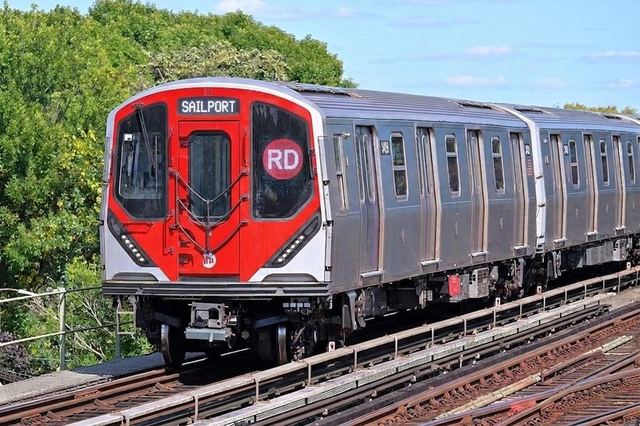
The R211T is the open-gangway version, a trial of walk-through trains in New York. Its ten "hard shell" cars arrived in November 2022 and ten more in 2023, and it entered service on the C on 1 February 2024, later moving to the G in March 2025. Read more on the line's page.
- Cars: 3
- Car Length: 18.3 m (60 ft)
- Platform Length: 60 m (197 ft)
- Manufacturer: KW
- Maximum Speed: 89 km/h (55 mph)
- Acceleration: 1.1 m/(h*s) (2.5 mph/s)
- Deceleration: 1.3 m/(h*s) (3 mph/s)
- Electric system(s): TR, 600 V DC
- Other Features: FCSD, CBTC, flip seats, security cameras, digital ads, digital customer info displays, USB ports, FDD, full-open gangways,
MTA R110B
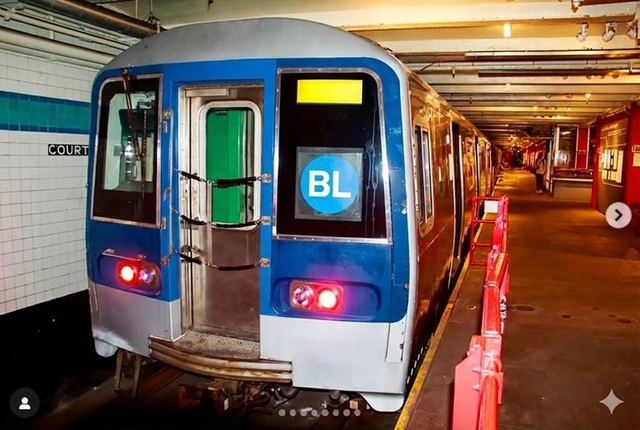
The R110B was the B Division's New Technology Test Train, ordered from Bombardier in December 1989 alongside the A Division's R110A. Bombardier built nine cars, three three-car sets, at La Pocatière, Quebec, in 1992. Read more on the line's page.
- Cars: 3
- Car Length: 20.42 (67 ft)
- Platform Length: 60 m (197 ft)
- Manufacturer: BM
- Maximum Speed: 89 km/h (55 mph)
- Acceleration: 1.1 m/(h*s) (2.5 mph/s)
- Deceleration: 1.3 m/(h*s) (3 mph/s)
- Electric system(s): TR, 600 V DC
- Other Features: FIND, CBTC
MTA R179
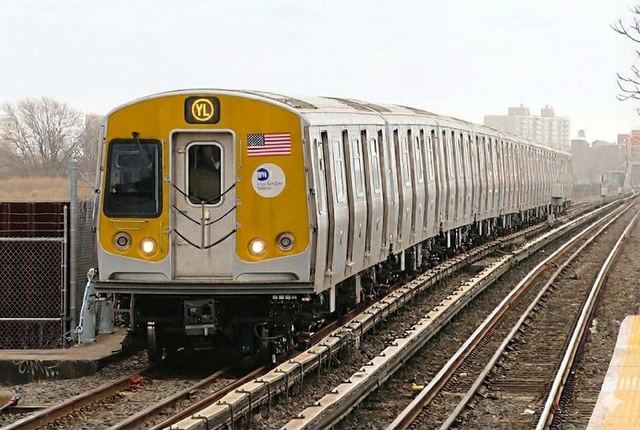
The R179 is a B Division car built by Bombardier, with car bodies made at La Pocatière, Quebec and final assembly at Plattsburgh, New York, between 2016 and 2019. It was ordered to replace the last of the 1960s R32s and R42s, and 318 cars were built in four-car and five-car sets. Read more on the line's page.
- Cars: 3
- Car Length: 18.3 m (60 ft)
- Platform Length: 60 m (197 ft)
- Manufacturer: BM
- Maximum Speed: 89 km/h (55 mph)
- Acceleration: 1.1 m/(h*s) (2.5 mph/s)
- Deceleration: 1.3 m/(h*s) (3 mph/s)
- Electric system(s): TR, 600 V DC
- Other Features: FIND, CBTC
MTA R160A
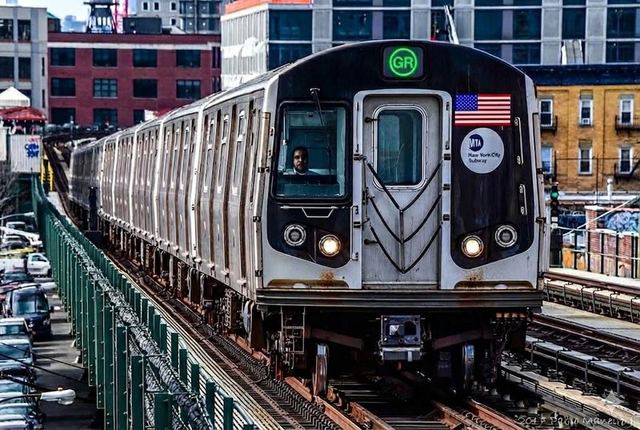
The R160A is the Alstom-built half of the order. It comes in both four-car and five-car sets (372 and 630 cars), and all of them use Alstom ONIX propulsion with the same traction motors as the R142. Read more on the line's page.
- Cars: 3
- Car Length: 18.3 m (60 ft)
- Platform Length: 60 m (197 ft)
- Manufacturer: AL
- Maximum Speed: 89 km/h (55 mph)
- Acceleration: 1.1 m/(h*s) (2.5 mph/s)
- Deceleration: 1.3 m/(h*s) (3 mph/s)
- Electric system(s): TR, 600 V DC
- Other Features: FIND, Wifi, CBTC
MTA R160B
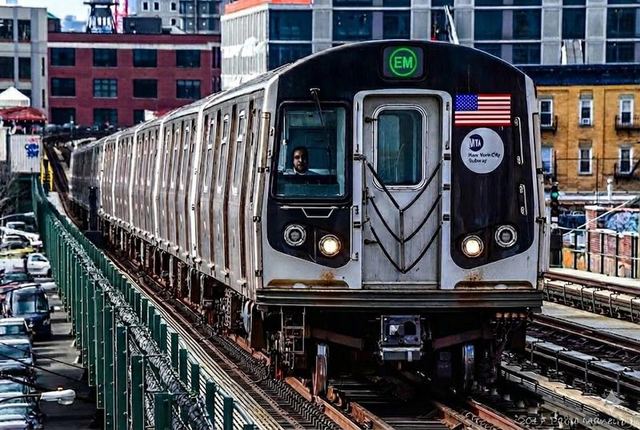
The R160B is the Kawasaki-built half of the order. All 660 cars are in five-car sets; most use Alstom ONIX propulsion like the R160A, but cars 8843–9102 have Siemens propulsion and motors like those tried on eight R143s. Read more on the line's page.
- Cars: 3
- Car Length: 18.3 m (60 ft)
- Platform Length: 60 m (197 ft)
- Manufacturer: KW
- Maximum Speed: 89 km/h (55 mph)
- Acceleration: 1.1 m/(h*s) (2.5 mph/s)
- Deceleration: 1.3 m/(h*s) (3 mph/s)
- Electric system(s): TR, 600 V DC
- Other Features: FIND, Wifi, CBTC
MTA R211S
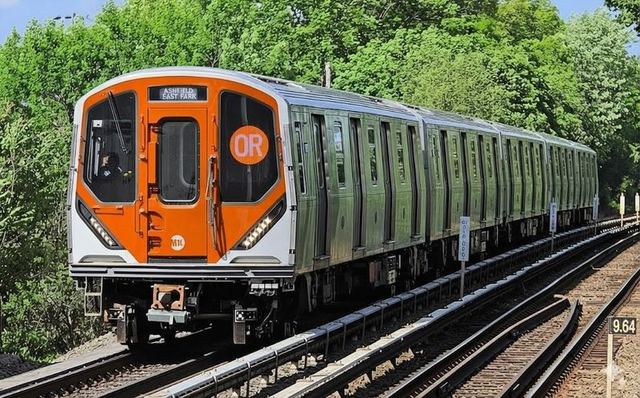
The R211S is the Staten Island Railway's version, assembled in Yonkers. The first set was delivered in May 2023 and it entered service on 8 October 2024. Read more on the line's page.
- Cars: 3
- Car Length: 15.5 m (51 ft)
- Platform Length: 60 m (197 ft)
- Manufacturer: KW
- Maximum Speed: 89 km/h (55 mph)
- Acceleration: 1.1 m/(h*s) (2.5 mph/s)
- Deceleration: 1.3 m/(h*s) (3 mph/s)
- Electric system(s): TR, 600 V DC
- Other Features: FCSD, flip seats, security cameras, digital ads, digital customer info displays, USB ports, FDD, and cab signaling
MTA R143
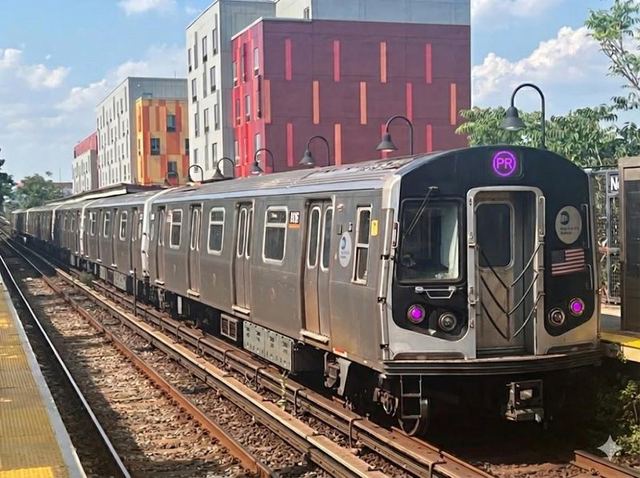
New York City Transit ordered the R143 as the first B Division order of its New Technology Train family. Kawasaki won the contract in December 1998 for 100 cars, later extended to 212, and built them at Yonkers, New York, Lincoln, Nebraska and Kobe, Japan. Read more on the line's page.
- Cars: 3
- Car Length: 18.3 m (60 ft)
- Platform Length: 60 m (197 ft)
- Manufacturer: KW
- Maximum Speed: 89 km/h (55 mph)
- Acceleration: 1.1 m/(h*s) (2.5 mph/s)
- Deceleration: 1.3 m/(h*s) (3 mph/s)
- Electric system(s): TR, 600 V DC
- Other Features: FIND, CBTC
MTA R211A
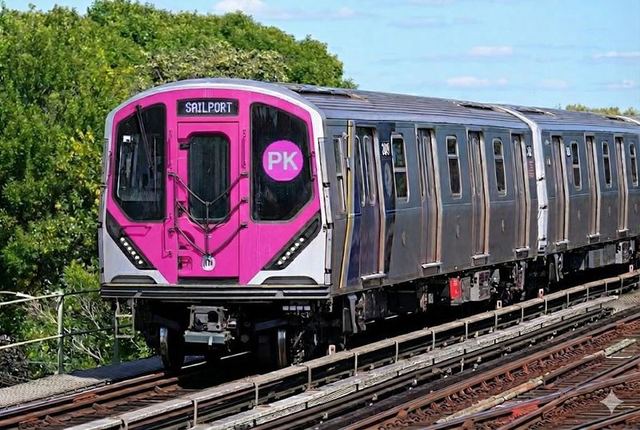
The R211A is the main version of the order. Its first test train arrived in June 2021; it began a 30-day acceptance test on the A on 10 March 2023 and entered full service on 29 June 2023. Read more on the line's page.
- Cars: 3
- Car Length: 18.3 m (60 ft)
- Platform Length: 60 m (197 ft)
- Manufacturer: KW
- Maximum Speed: 89 km/h (55 mph)
- Acceleration: 1.1 m/(h*s) (2.5 mph/s)
- Deceleration: 1.3 m/(h*s) (3 mph/s)
- Electric system(s): TR, 600 V DC
- Other Features: FCSD, CBTC, flip seats, security cameras, digital ads, digital customer info displays, USB ports, FDD
MTA R262
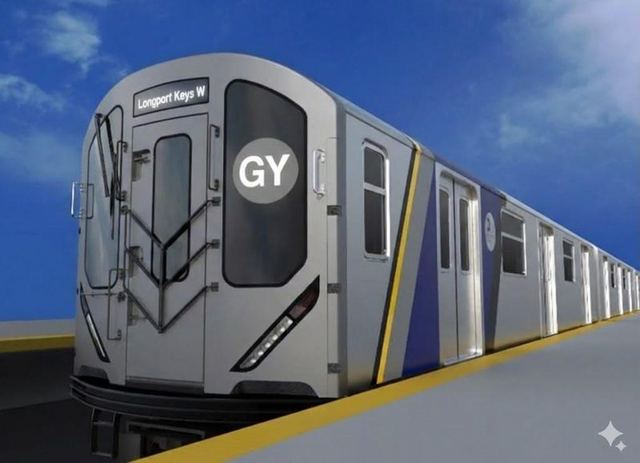
The R262 is the planned next generation of subway cars for the numbered A Division lines, and it would be the largest subway car order in New York's history. The base order of 1,140 cars, funded in the MTA's 2025–2029 capital programme, will replace the R62 and R62A, and an option for 1,250 more would replace the R142 and R142A, for up to 2,390 cars. Read more on the line's page.
- Cars: 3
- Car Length: 15.5 m (51 ft)
- Platform Length: 60 m (197 ft)
- Manufacturer: ?
- Maximum Speed: 89 km/h (55 mph)
- Acceleration: 1.1 m/(h*s) (2.5 mph/s)
- Deceleration: 1.3 m/(h*s) (3 mph/s)
- Electric system(s): TR, 600 V DC
- Other Features: FCSD, CBTC, flip seats, security cameras, digital ads, digital customer info displays, USB ports, FDD, full-open gangways (?), Ethernet network, audio induction loops,
MTA R188
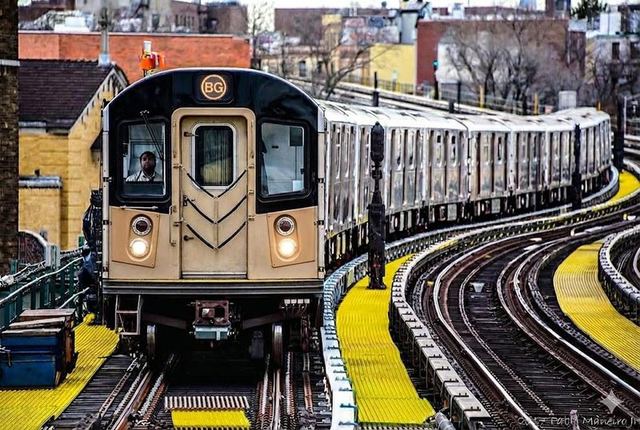
The R188 was built for the 7 line (IRT Flushing Line) when it was converted to communications-based train control. Kawasaki built it at Yonkers and Kobe between 2010 and 2016 in an unusual way: 126 cars were new, and 380 were existing R142A cars rebuilt to match, making a fleet of 506. Read more on the line's page.
- Cars: 3
- Car Length: 15.65 m (51 ft 4 in)
- Platform Length: 60 m (197 ft)
- Manufacturer: Kawasaki
- Maximum Speed: 55 mph (89 km/h)
- Acceleration: 1.1 m/s²
- Deceleration: 3.0 mph/s (full service), 3.2 mph/s (emergency)
- Electric system(s): Third rail, 625 V DC
- Other Features:
MTA R110A
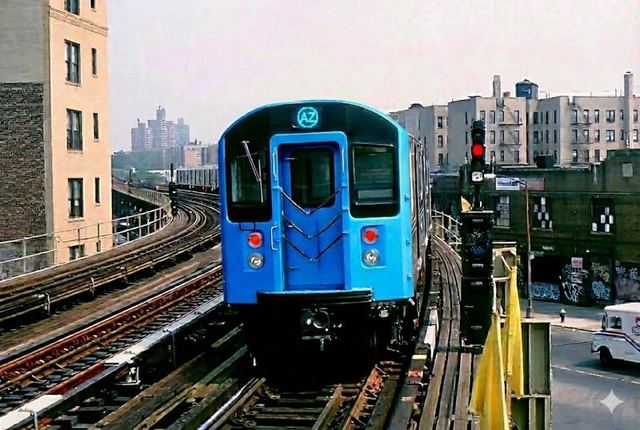
In 1989 the MTA ordered two prototype New Technology Test Trains to try out ideas for its next generation of subway cars: the R110A for the numbered A Division lines and the R110B for the lettered B Division. Kawasaki built the ten R110A cars in Kobe in 1992, as two permanently coupled five-car sets, at about $2.2 million per car. Read more on the line's page.
- Cars: 3
- Car length: 15.65 m (51 ft 4 in)
- Platform length: 60 m (197 ft)
- Manufacturer: Kawasaki
- Maximum speed: 89 km/h (55 mph)
- Acceleration: 1.1 m/s²
- Deceleration: 1.3 m/s².
- Electric system(s): TR, 625 V DC
MTA R142
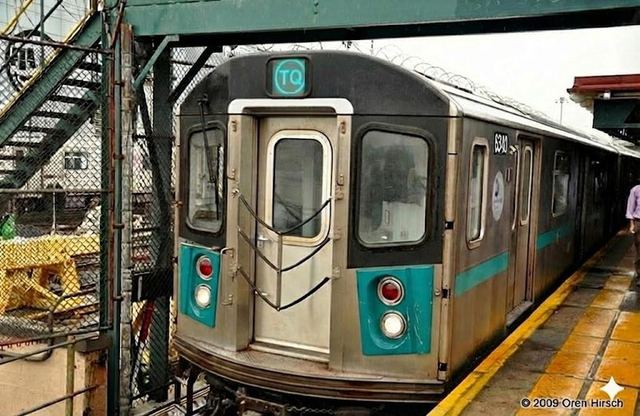
- Cars: 3
- Car Length: 15.65 m (51 ft 4 in)
- Platform Length: 60 m (197 ft)
- Manufacturer: Bombardier
- Maximum Speed: 89 km/h (55 mph)
- Acceleration: 1.1 m/s²
- Deceleration: 1.3 m/s²
- Electric system(s): Third rail, 625 V DC
MTA R142A
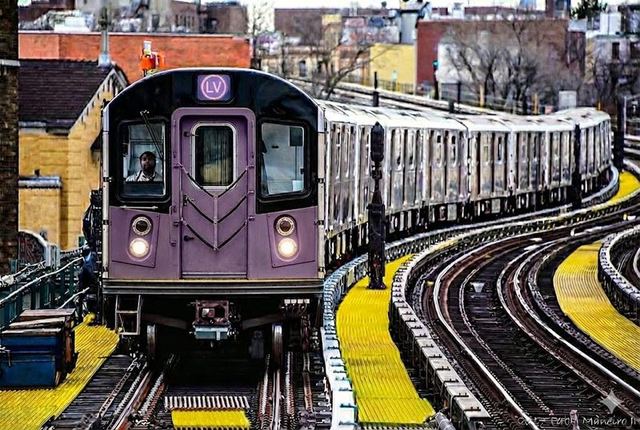
- Cars: 3
- Car Length: 15.65 m (51 ft 4 in)
- Platform Length: 60 m (197 ft)
- Manufacturer: Kawasaki
- Maximum Speed: 89 km/h (55 mph)
- Acceleration: 1.1 m/s²
- Deceleration: 1.3 m/s²
- Electric system(s): Third rail, 625 V DC
LIRR M9
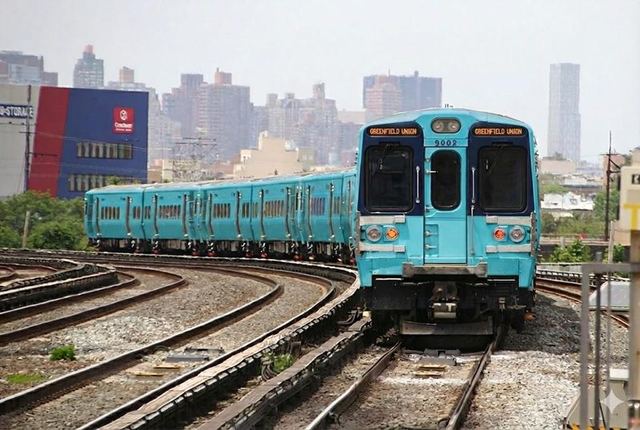
In 2012 the MTA asked for bids for up to 676 M9 cars for the Long Island Rail Road and Metro-North, and in September 2013 Kawasaki won a contract worth nearly $1.8 billion for a base order of 92 LIRR cars plus options. The cars were built at Yonkers, New York, Lincoln, Nebraska and Kobe, Japan, but defects found in testing and later the COVID-19 pandemic pushed the schedule back by years. Read more on the line's page.
- Cars: 3
- Car Length: 25.9 m (85 ft)
- Platform Length: 80 m (262.5 ft)
- Manufacturer: KW
- Maximum Speed: 129 km/h (100 mph)
- Acceleration: 1.1 m/(h*s) (2 mph/s)
- Deceleration: 1.3 m/(h*s) (3 mph/s)
- Electric system(s): TR, 750 V DC
- Other Features:
MNR M9A
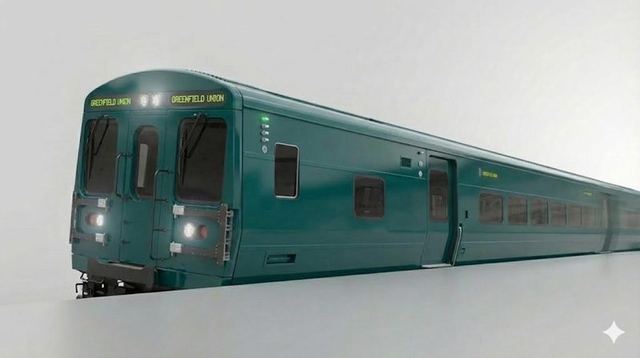
Metro-North chose in 2018 not to take up its options on the LIRR's Kawasaki M9 order, and overhauled its M3A cars instead while it worked with the LIRR on a new order. In June 2025 the MTA approved about $2.3 billion for 316 M9A cars, 156 for Metro-North and 160 for the LIRR, and the contract went to Alstom on 23 June 2025. Read more on the line's page.
- Cars: 3
- Car Length: 25.9 m (85 ft)
- Platform Length: 80 m (262.5 ft)
- Manufacturer: ?
- Maximum Speed: 129 km/h (100 mph)
- Acceleration: 1.1 m/(h*s) (2 mph/s)
- Deceleration: 1.3 m/(h*s) (3 mph/s)
- Electric system(s): TR, 750 V DC
- Other Features:
LIRR (Bombardier) M7
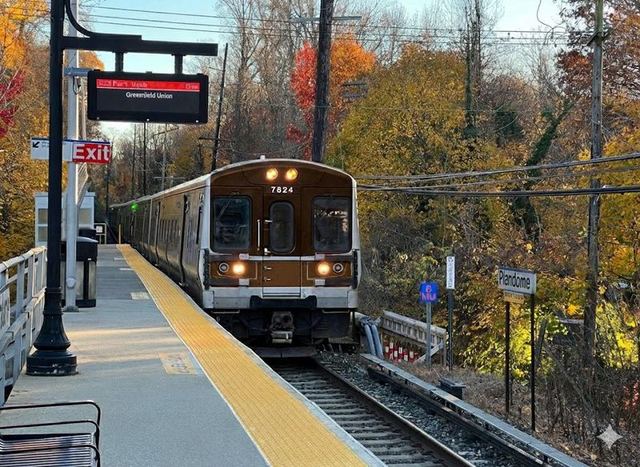
The cars use Mitsubishi IGBT–VVVF drives with eight 200 kW AC motors per pair and regenerative braking. The LIRR's M7 has a black front with a yellow stripe and lit number boards, and its third-rail shoes are made for the LIRR's over-running third rail, so it cannot run on Metro-North. Read more on the line's page.
- Cars: 3
- Car Length: 25.9 m (85 ft)
- Platform Length: 80 m (262.5 ft)
- Manufacturer: BM
- Maximum Speed: 129 km/h (100 mph)
- Acceleration: 1.1 m/(h*s) (2 mph/s)
- Deceleration: 1.3 m/(h*s) (3 mph/s)
- Electric system(s): TR, 750 V DC
- Other Features:
MNR (Bombardier) M7A
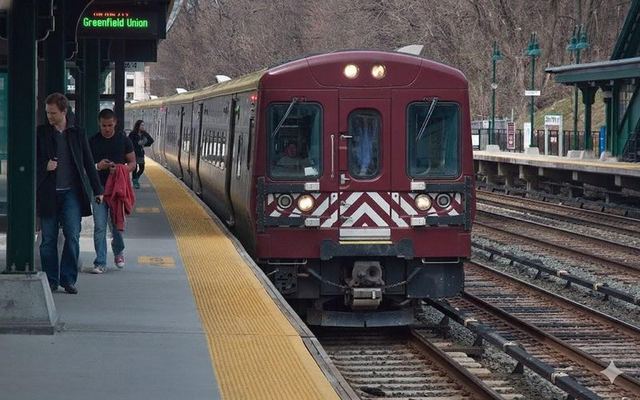
Metro-North's M7A has a blue front with white stripes and no lit number boards, and its shoes are made for the under-running third rail on the Hudson and Harlem lines, so it cannot run on the LIRR. One M7A was destroyed in the 2015 Valhalla crash. Read more on the line's page.
- Cars: 3
- Car Length: 25.9 m (85 ft)
- Platform Length: 80 m (262.5 ft)
- Manufacturer: BM
- Maximum Speed: 129 km/h (100 mph)
- Acceleration: 1.1 m/(h*s) (2 mph/s)
- Deceleration: 1.3 m/(h*s) (3 mph/s)
- Electric system(s): TR, 750 V DC
- Other Features:
LIRR M3
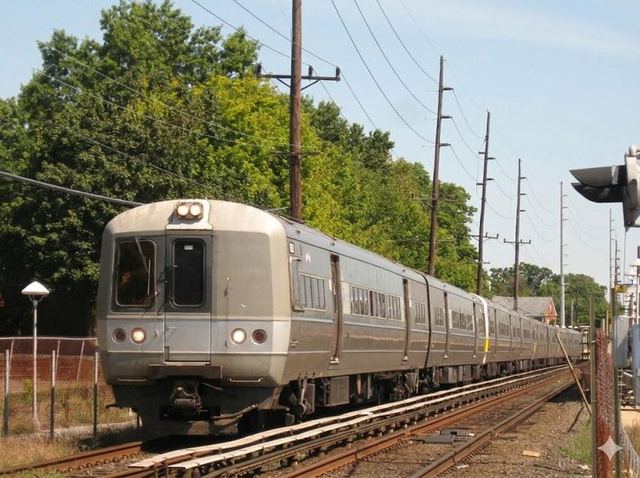
The M3 is the last of the Budd Company's Metropolitan family of electric commuter cars, built at Budd's Red Lion plant near Philadelphia with General Electric traction equipment. The Long Island Rail Road received 174 M3s between 1984 and 1986, and Metro-North 142 of its own version, the M3A, in 1984–1985; both entered service in 1984. Read more on the line's page.
- Cars: 3
- Car Length: 25.9 m (85 ft)
- Platform Length: 80 m (262.5 ft)
- Manufacturer: Budd
- Maximum Speed: 129 km/h (100 mph)
- Acceleration: 1.1 m/(h*s) (2 mph/s)
- Deceleration: 1.3 m/(h*s) (3 mph/s)
- Electric system(s): TR, 750 V DC
- Other Features:
MNR M8
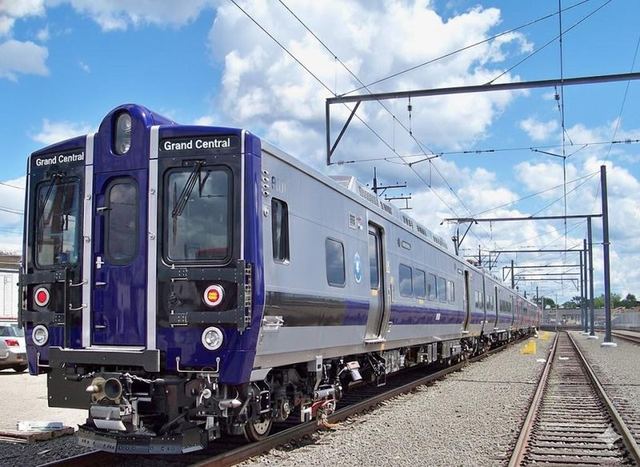
The M8 was built by Kawasaki for Metro-North's New Haven Line, which runs from Grand Central into Connecticut, and is jointly funded with the Connecticut Department of Transportation. The contract was signed in August 2006 and the cars were built at Yonkers, Lincoln (Nebraska) and Kobe. Read more on the line's page.
- Cars: 3
- Car Length: 25.9 m (85 ft)
- Platform Length: 80 m (262.5 ft)
- Manufacturer: KW
- Maximum Speed: 129 km/h (100 mph)
- Acceleration: 1.1 m/(h*s) (2 mph/s)
- Deceleration: 1.3 m/(h*s) (3 mph/s)
- Electric system(s): TR, 750 V DC; OW
- Other Features:
CTA 2600 Series
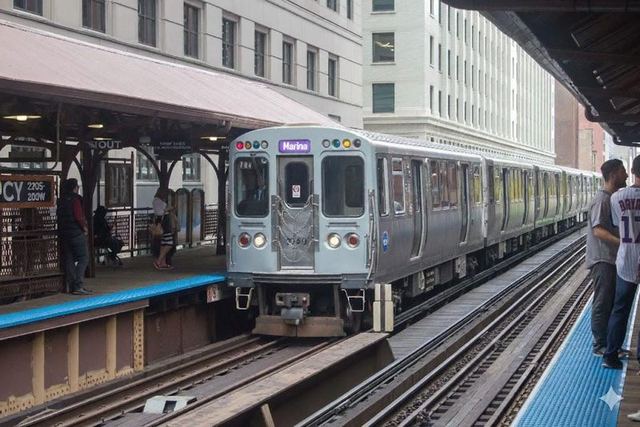
The 2600-series is the largest series of cars the Chicago Transit Authority has owned: 600 cars built by the Budd Company at its Red Lion plant in Philadelphia between 1981 and 1987, the last cars Budd built for Chicago. They entered service in 1981 and have run on almost every 'L' line. Read more on the line's page.
- Cars: 4
- Car Length: 14.6 m (48 ft)
- Platform Length: 60 m (197 ft)
- Manufacturer: Budd
- Maximum Speed: 89 km/h (55 mph)
- Acceleration: 1.2 m/s²
- Deceleration: 1.3 m/s²
- Electric system(s): TR, 600 V DC
CTA 7000 Series
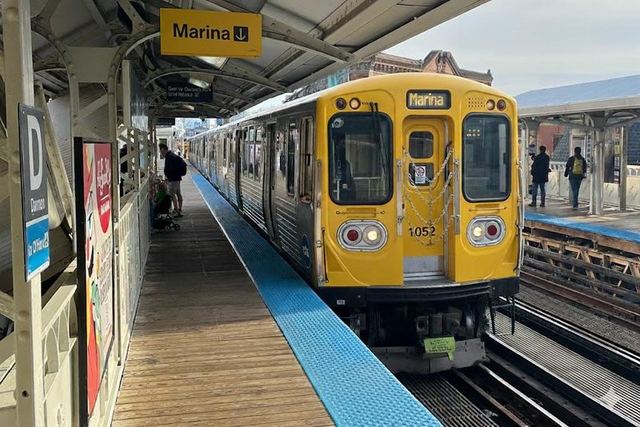
The 7000-series is the CTA's newest 'L' car, built by CRRC Sifang America at a new factory in the Hegewisch neighbourhood on Chicago's South Side. The contract was awarded in 2016 for 400 cars, with options for up to 846. Read more on the line's page.
- Cars: 4
- Car Length: 14.6 m (48 ft)
- Platform Length: 60 m (197 ft)
- Manufacturer: CRRC
- Maximum Speed: 89 km/h (55 mph)
- Acceleration: 1.1 m/s²
- Deceleration: 1.2 m/s²
- Electric system(s): TR, 600 V DC
CTA (Morrison-Knudsen) 3200 Series
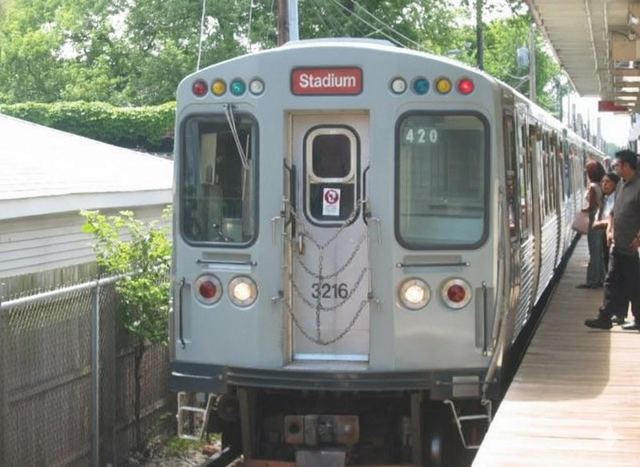
The 3200-series are 257 'L' cars built by Morrison-Knudsen at Hornell, New York, between 1992 and 1994, with body shells made by Mafersa in Brazil. The first order was bought to open the Orange Line to Midway Airport in October 1993. Read more on the line's page.
- Cars: 4
- Car Length: 14.6 m (48 ft)
- Platform Length: 60 m (197 ft)
CTA (Boeing-Vertol) 2400 Series
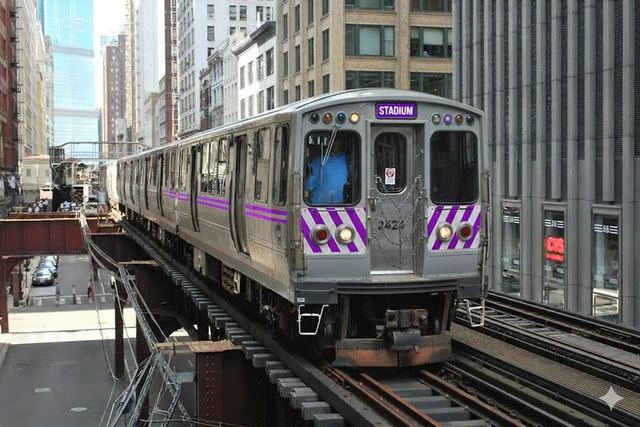
The 2400-series were 200 'L' cars built by Boeing-Vertol at Ridley Park, Pennsylvania, between 1976 and 1979, with body shells from Sorefame in Portugal. They entered service in 1976 and ran on the Lake/Dan Ryan, West–Northwest, Ravenswood and Howard–Englewood routes. Read more on the line's page.
- Cars: 4
- Car Length: 14.6 m (48 ft)
- Platform Length: 60 m (197 ft)
CTA 5000 Series
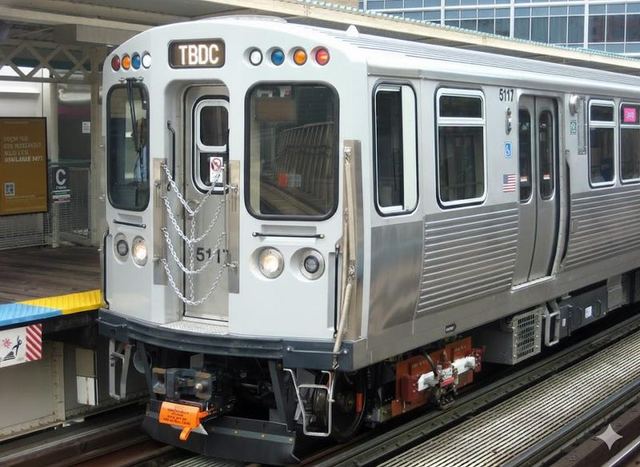
The 5000-series was built by Bombardier at Plattsburgh, New York, between 2009 and 2015: 714 cars, the CTA's biggest order since the 2600s. They entered service on the Pink Line on 8 November 2011 and then took over the Green (2013), Yellow (2014), Purple (2015) and Red (2015) lines, replacing the 2200- and 2400-series. Read more on the line's page.
- Cars: 4
- Car Length: 14.6 m (48 ft)
- Platform Length: 60 m (197 ft)
- Manufacturer: BM
- Maximum Speed: 89 km/h (55 mph)
- Acceleration:
- Deceleration:
- Electric system(s): TR, 600 V DC
- Other Features:
E231-900 Series
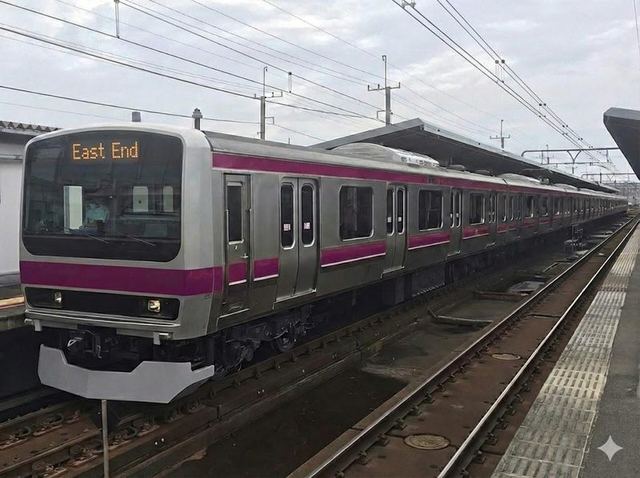
The E231-900 is the E231's prototype, built jointly by Tokyu Car and JR East's Niitsu factory in October 1998 as the 209-950 series to try out the design on the Chūō–Sōbu line. It was renamed E231-900 in June 2000 when the production trains arrived, and ran on the Chūō–Sōbu line until February 2020. Read more on the line's page.
- Cars: 3
- Car Length: 20 m (65.6 ft)
- Platform Length: 60 m (197 ft)
E231-3000 Series
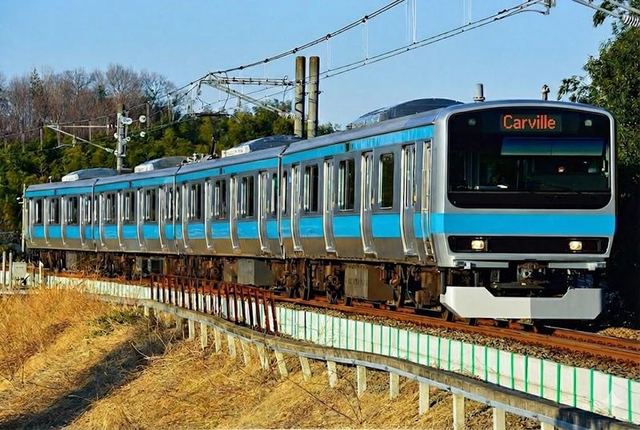
The E231-3000 subseries was not built new: JR East rebuilt six former Chūō–Sōbu E231-0 sets into four-car trains for the Kawagoe Line (Komagawa–Kawagoe) and Hachikō Line (Hachiōji–Komagawa). The first entered service on 19 February 2018, and between 2020 and 2021 they were fitted for driver-only operation. Read more on the line's page.
- Cars: 6
- Car Length: 20 m (65.6 ft)
- Platform Length: 121 m (397 ft)
E231-0 Series
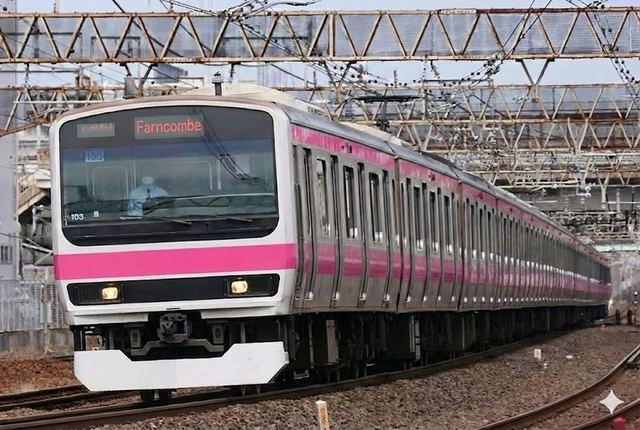
The E231-0 subseries was the first production version, entering service on the Chūō–Sōbu local line between February 2000 and November 2001; more sets went to the Jōban and Narita lines up to 2005. The Chūō–Sōbu sets each had a six-door car and were refurbished between 2015 and 2020, after which many were shortened to eight cars for the Musashino Line or four cars as the E231-3000. Read more on the line's page.
- Cars: 6
- Car Length: 20 m (65.6 ft)
- Platform Length: 121 m (397 ft)
Chiba New Town Railway 9800 Series
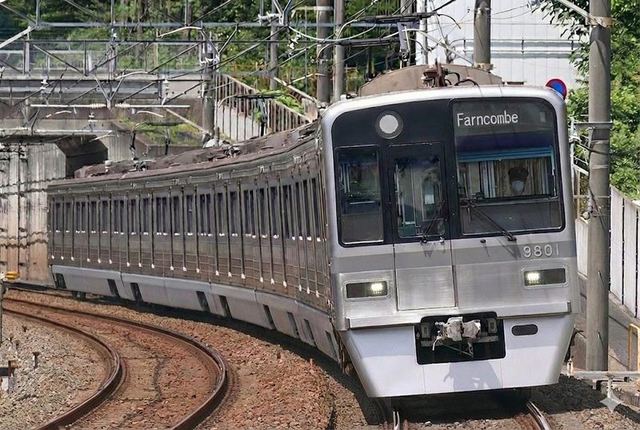
The 9800 series is a single eight-car train, set 9808, owned by the Chiba New Town Railway and run by the Hokuso Railway. It is not a new train: it was converted from Keisei 3700 series set 3738, built in the 1990s, to replace the last 9000 series train, which ran for the last time on 20 March 2017. Read more on the line's page.
- Cars: 7
- Car Length: 18 m (59.1 ft)
- Platform Length: 140 m (459.3 ft)
Chiba New Town Railway 9200 Series
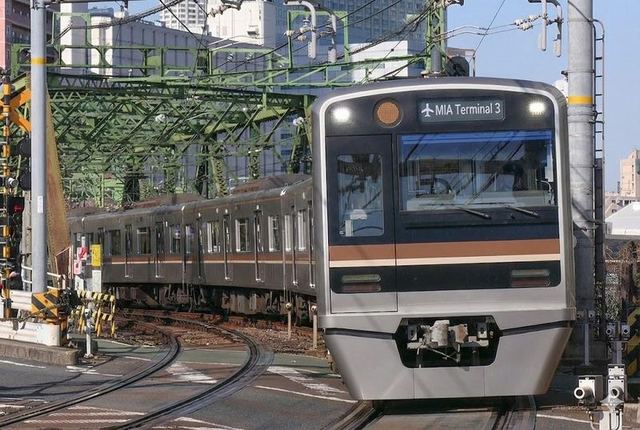
The 9200 series is a single eight-car train owned by the Chiba New Town Railway and run by the Hokuso Railway on the Hokusō Line, which links the Chiba New Town area with Tokyo. It was delivered to Inba depot in February 2013 and entered service on 1 March 2013, replacing the older 9000 series. Read more on the line's page.
- Cars: 7
- Car Length: 18 m (59.1 ft)
- Platform Length: 140 m (459.3 ft)
WMATA (Kawasaki) 7000 Series
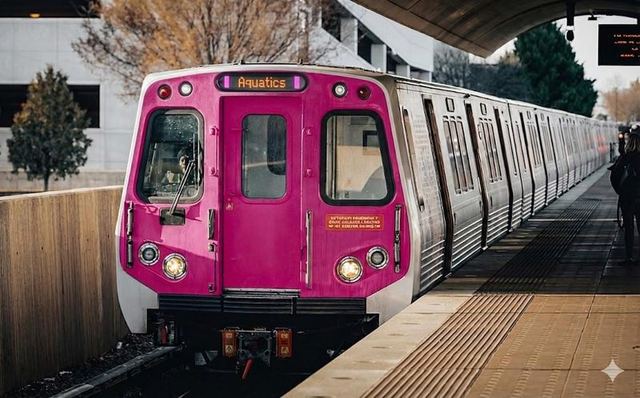
The 7000-series is the Washington Metro's largest and newest fleet, built by Kawasaki (with final assembly in Lincoln, Nebraska) to replace the original 1000-series cars, which proved too weak in the deadly 2009 Fort Totten crash, and the troubled 5000-series. The first cars arrived in January 2014, and they entered service on the Blue Line on 14 April 2015 and the Red Line that June. Read more on the line's page.
- Cars: 2
- Car Length: 22.86 m (75 ft)
- Platform Length: 60 m (197 ft)
WMATA (CAF) 5000 Series
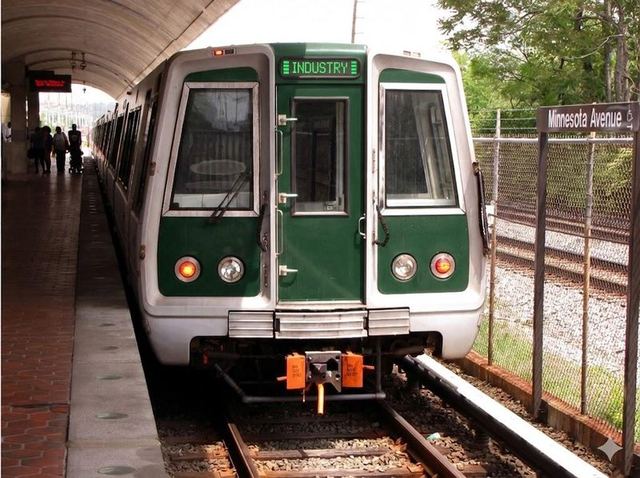
The 5000-series was a fleet of 192 Washington Metro cars designed by CAF of Spain and assembled by AAI at Hunt Valley, Maryland, delivered from 2001. Software problems delayed their start in passenger service, and they became known as the least reliable cars Metro ran: on average a 7000-series car later went about five times as far between failures. Read more on the line's page.
- Cars: 2
- Car Length: 22.86 m (75 ft)
- Platform Length: 60 m (197 ft)
WMATA (Alstom) 6000 Series
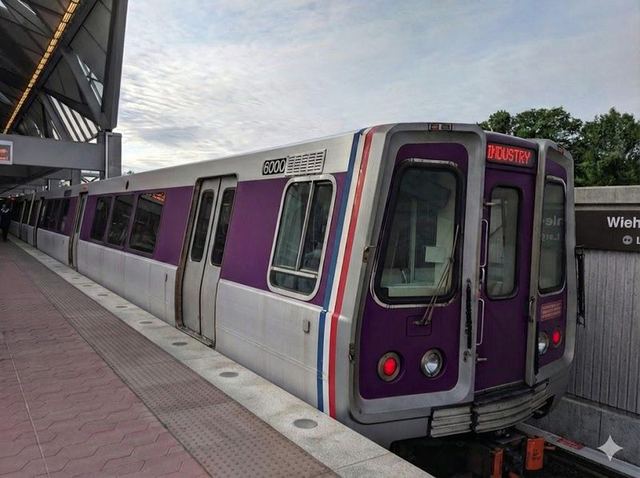
The 6000-series is a fleet of 184 Washington Metro cars built by Alstom, with body shells made in Barcelona and assembly in Hornell, New York, between 2005 and 2008. They were bought to enlarge the fleet for rising ridership and new lines, and entered service on the Green Line on 3 October 2006. Read more on the line's page.
- Cars: 2
- Car Length: 22.86 m (75 ft)
- Platform Length: 47 m (154.2 ft)
Aoimori 703 Series
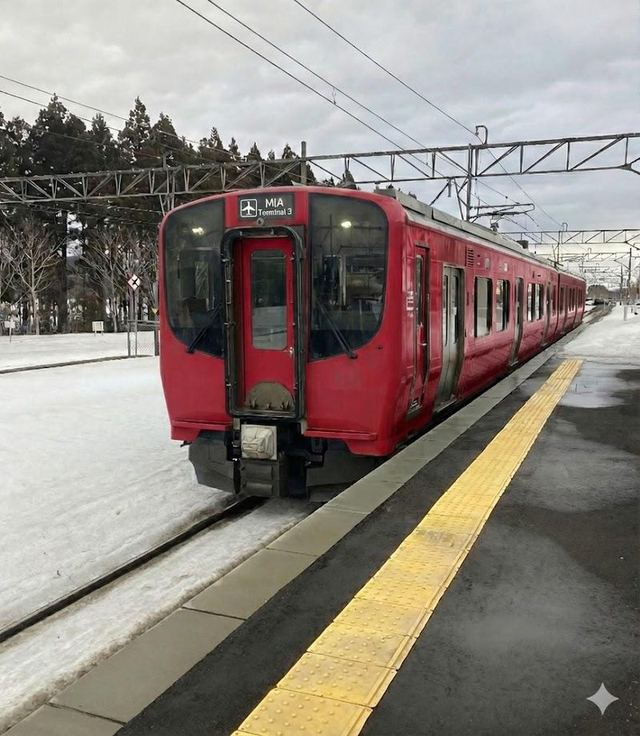
The Aoimori 703 series is a train of the Aoimori Railway, the company that took over the old Tōhoku Main Line in Aomori Prefecture when the Tōhoku Shinkansen was extended. J-TREC built two two-car sets at Yokohama in 2013 for about 800 million yen; the railway bought one and leases the other. Read more on the line's page.
- Cars: 3
- Car Length: 20 m (65.6 ft)
- Platform Length: 67 m (219.8 ft)
JR East (J-TREC) E233-6000 Series
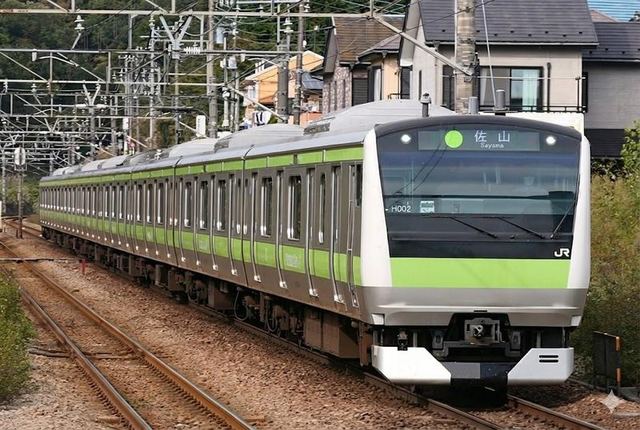
The E233-6000 subseries runs on the Yokohama Line between Higashi-Kanagawa and Hachiōji. J-TREC built 28 eight-car sets at Niitsu and Yokohama, and they entered service on 16 February 2014. Read more on the line's page.
- Cars: 5
- Car Length: 20 m (65.6 ft)
- Platform Length: 110 m (360.9 ft)
JR East (Tokyu Car, Kawasaki) E531 Series
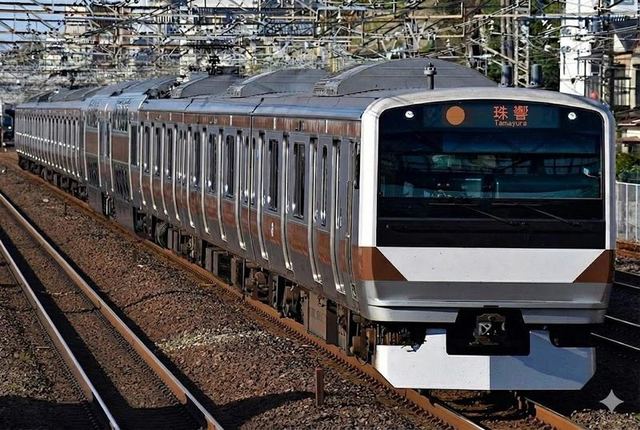
The E531 series is JR East's train for the Jōban Line, which runs north-east from Tokyo through Ibaraki Prefecture. It was built by Tokyu Car, Kawasaki, JR East and J-TREC from 2005, with more units added up to 2020 and again in 2024, and entered service on 9 July 2005. Read more on the line's page.
- Cars: 8
- Car Length: 20 m (65.6 ft)
- Platform Length: 169 m (554.5 ft)
JR East (Kawasaki, Tokyu Car, J-TREC) E721-0 Series
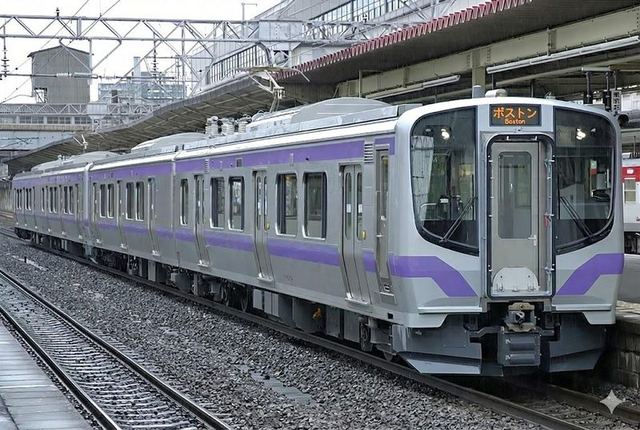
The E721 series is JR East's regional train for the Sendai area. Built by Kawasaki, Tokyu Car and J-TREC from 2006, it entered service in February 2007 on the Tōhoku Main Line, Jōban Line and Senzan Line, and since 2017 also on the Ban'etsu West Line. Read more on the line's page.
- Cars: 7
- Car Length: 20 m (65.6 ft)
- Platform Length: 151 m (495.4 ft)
JR East (Kawasaki, Tokyu Car) E231-0 Series
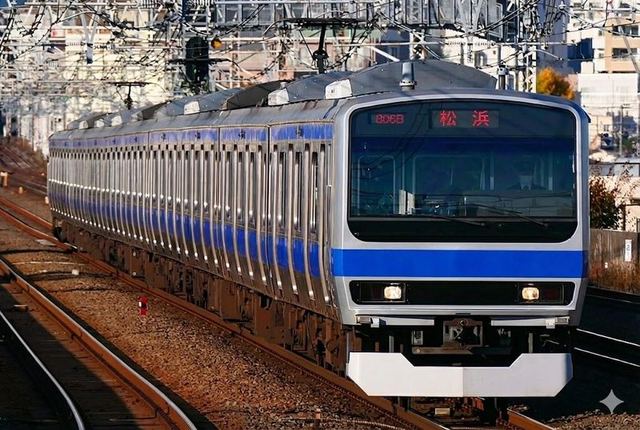
The E231-0 subseries was the first production version, entering service on the Chūō–Sōbu local line between February 2000 and November 2001; more sets went to the Jōban and Narita lines up to 2005. The Chūō–Sōbu sets each had a six-door car and were refurbished between 2015 and 2020, after which many were shortened to eight cars for the Musashino Line or four cars as the E231-3000. Read more on the line's page.
- Cars: 2
- Car Length: 20 m (65.6 ft)
- Platform Length: 33 m (108.3 ft)
JR East E233-8500 Series
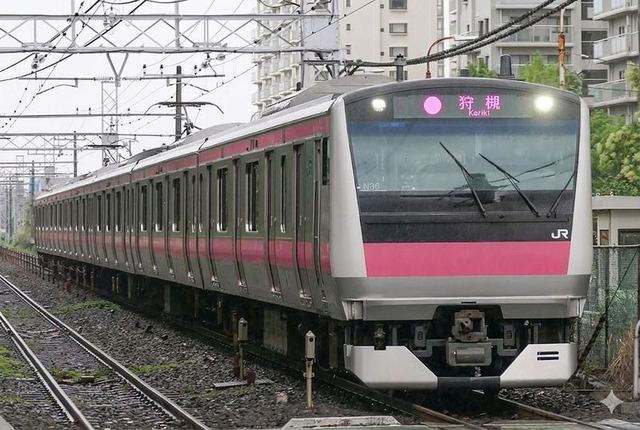
- Cars:
- Car Length: 20 m (65.6 ft)
- Platform Length: 110 m (360.9 ft)
JR East E233-8000 Series
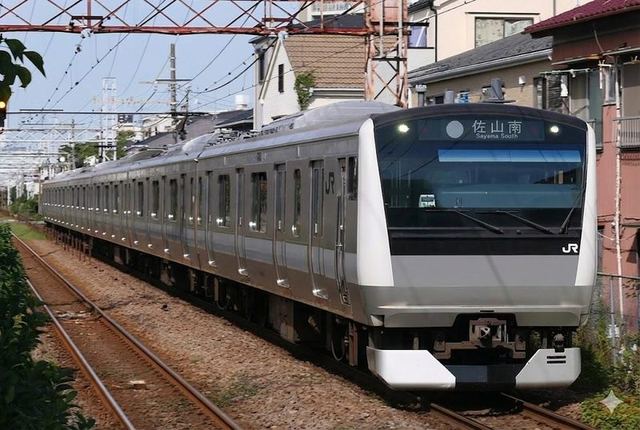
The E233-8000 subseries runs on the Nambu Line between Kawasaki and Tachikawa. J-TREC delivered 35 six-car sets between July 2014 and December 2015, the first entering service on 4 October 2014, replacing the 205 and 209 series. Read more on the line's page.
- Cars: 5
- Car Length: 20 m (65.6 ft)
- Platform Length: 105 m (344.5 ft)
JR Central 315 Series
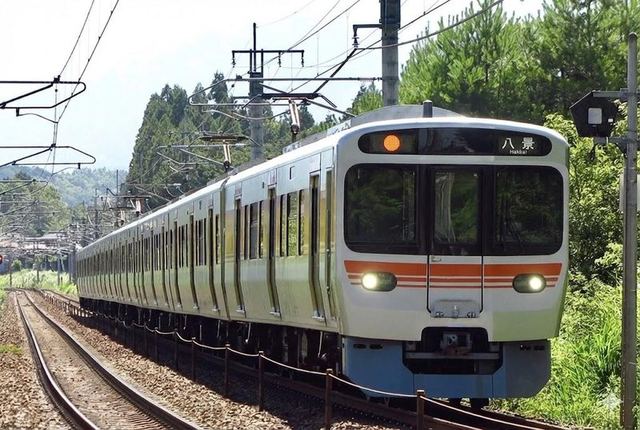
The 315 series is JR Central's newest commuter train for the Nagoya and Shizuoka areas. Nippon Sharyo built 352 cars between 2021 and 2025, the first trains to carry its "N-QUALIS" brand. Read more on the line's page.
- Cars: 2
- Car Length: 20.1 m (65.9 ft)
- Platform Length: 52 m (170.6 ft)
MUNI Siemens S200
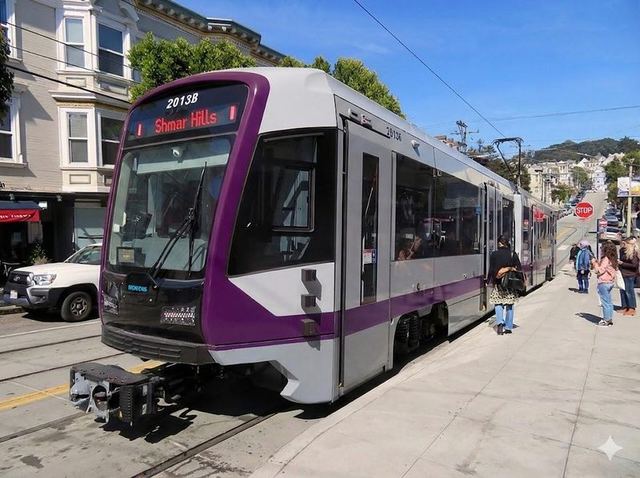
The S200 is Siemens Mobility's light rail vehicle for North America, built at its plant in Florin, near Sacramento, California. San Francisco's Muni ordered 175 in September 2014 for $648 million, and later orders in 2015, 2017 and 2021 brought the total to 219, replacing the Breda LRV2 and LRV3 cars. Read more on the line's page.
- Cars: 2
- Car Length: 23 m (74 ft)
- Platform Length: 40 m (131.2 ft)
Seoul Metro 2000 Series (3rd generation)
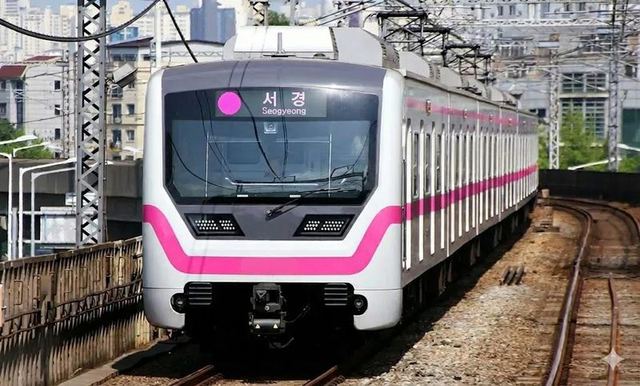
Seoul Subway Line 2, the city's circular line, has been re-equipped since 2005 with VVVF-controlled 2000-series trains, bought in five batches. Rotem (later Hyundai Rotem) built the first in 2005 and a large second batch in 2007–2008. Read more on the line's page.
- Cars: 9
- Car Length: 19.5 m (64 ft)
- Platform Length: 172 m (564.3 ft)
MBTA (CRRC) Red Line 1900-series
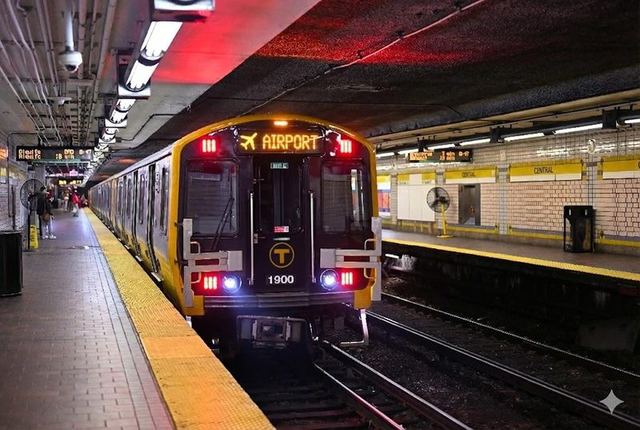
The 1900-series are the Red Line's new cars, built by CRRC at a new factory in Springfield, Massachusetts, on the site of the old New England Westinghouse works. The MBTA ordered 132 cars in 2014 and 120 more in December 2016, for 252 in all, to replace both the 1969–70 Pullman cars and the 1987–88 UTDC cars. Read more on the line's page.
- Cars: 8
- Car Length: 21.28 m (69.8 ft)
- Platform Length: 90.5 m (296.9 ft)
MBTA (Bombardier) Red Line 1800-series
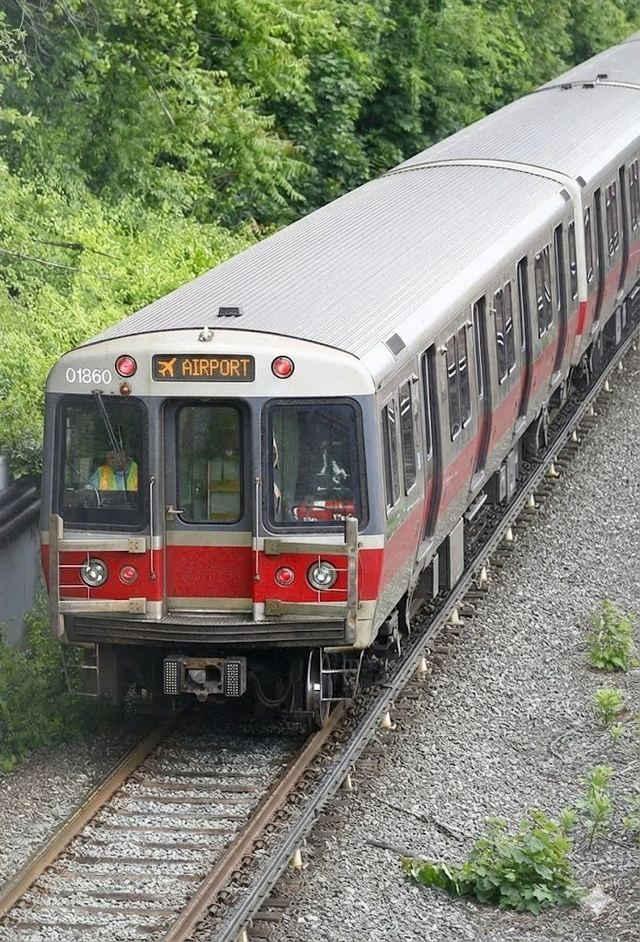
The 1800-series are Red Line cars built for the MBTA by Bombardier in 1993–1994, with parts made in Canada and assembly in Barre, Vermont. Eighty-six cars were ordered, and they are now the oldest cars on the Red Line still in regular service, due to be replaced by the CRRC 1900-series. Read more on the line's page.
- Cars: 16
- Car Length: 21.18 m (69.5 ft)
- Platform Length: 181 m (593.8 ft)
LA Metro (CRRC) HR4000
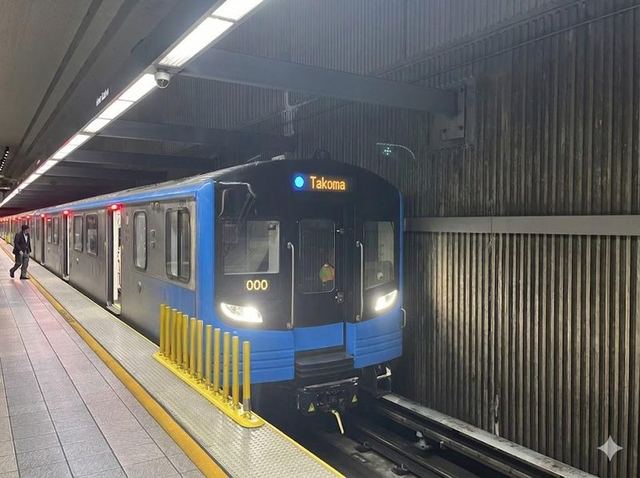
The HR4000 is a heavy-rail car for LA Metro's subway, the B Line (formerly Red) and D Line (formerly Purple), built by CRRC MA, which also built new cars for Boston. Sixty-four cars (4001–4064) have been built since 2021 and entered passenger service in 2024. Read more on the line's page.
- Cars: 8
- Car Length: 22.86 m (75 ft)
- Platform Length: 181 m (593.8 ft)
LA Metro (Hyundai Rotem) HR5000
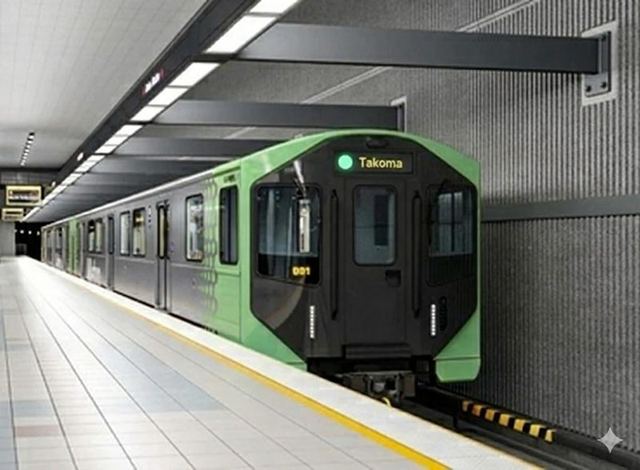
The HR5000 is LA Metro's next order of subway cars, from Hyundai Rotem, placed after Metro decided not to buy more HR4000s from CRRC. It covers 182 cars with options for 50 more: 74 will replace the second batch of Breda A650 cars, 108 will serve the D Line subway extension to Westwood (phases 2 and 3), and the options are meant for future subway lines. Read more on the line's page.
- Cars: 8
- Car Length: 22.86 m (75 ft)
- Platform Length: 181 m (593.8 ft)
MBTA (CRRC) Orange Line 1400-series
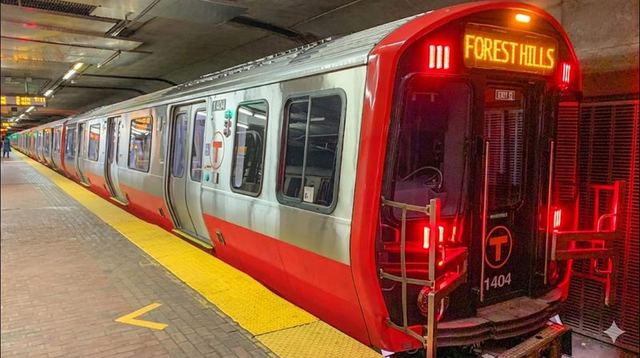
The MBTA's new Orange Line cars (numbered in the 1400-series) were ordered from CNR, now part of CRRC, on 22 October 2014: 152 cars for $566.6 million, built at a new factory in Springfield, Massachusetts. They replaced the whole fleet of Hawker Siddeley 01200-series cars of 1981, nicknamed the "Orange Blossoms". Read more on the line's page.
- Cars: 6
- Car Length: 20 m (65.6 ft)
- Platform Length: 121 m (397 ft)
Kintetsu (Kinki Sharyo) 8A Series
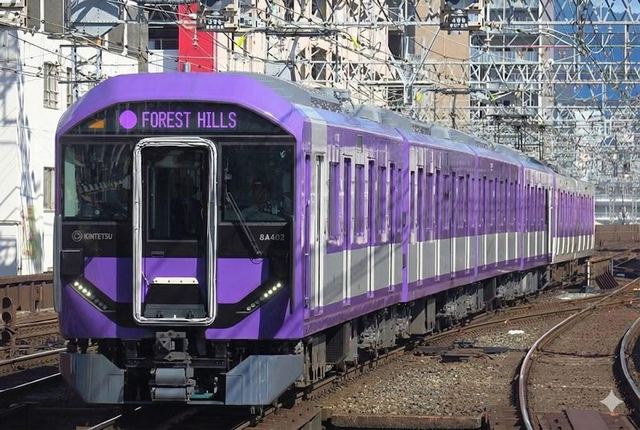
The 8A series is Kintetsu Railway's newest commuter train, built by Kinki Sharyo and the first of a planned fleet to replace about 450 Kintetsu cars built in the 1960s. The first set was delivered on 31 May 2024 and it entered service on 7 October 2024 on the Nara, Kyoto, Kashihara and Tenri lines, with dozens more sets built and on order. Read more on the line's page.
- Cars: 6
- Car Length: 20.72 m (68 ft)
- Platform Length: 125 m (410.1 ft)
JR West (Kawasaki) 323 Series
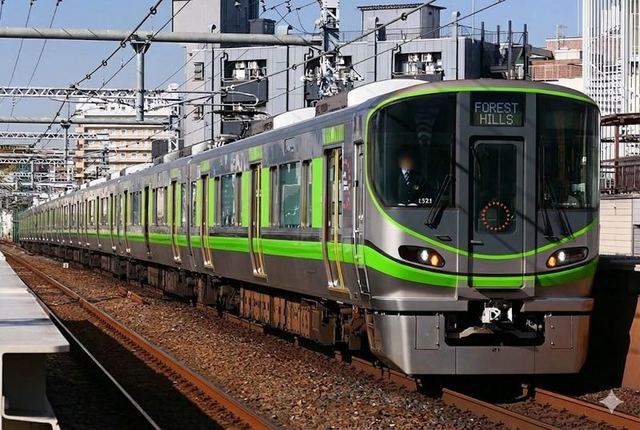
The 323 series is JR West's train for the Osaka Loop Line, the circular line around central Osaka, and the Sakurajima Line to Universal Studios Japan. Kawasaki and Kinki Sharyo built 22 eight-car sets (176 cars) between 2016 and 2019. Read more on the line's page.
- Cars: 15
- Car Length: 20 m (65.6 ft)
- Platform Length: 300 m (974.3 ft)
JR East E231-800 Series
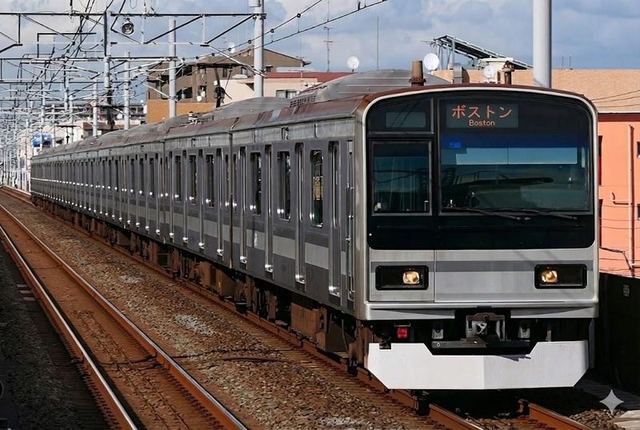
The E231-800 subseries was built for through running between the Chūō–Sōbu line and the Tokyo Metro Tōzai Line, which crosses central Tokyo underground. Seven ten-car sets (K1–K7) were delivered between January and May 2003 and entered service on 1 May 2003, replacing the 103 and 301 series. Read more on the line's page.
- Cars: 2
- Car Length: 20 m (65.6 ft)
- Platform Length: 30 m (98.4 ft)
Nagoya (Hitachi, Nippon Sharyo) Municipal Subway N3000 Series
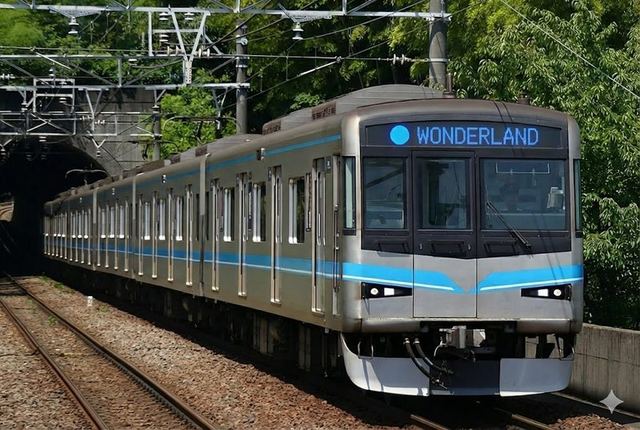
The N3000 series runs on the Nagoya Municipal Subway's Tsurumai Line, which runs through to Meitetsu's Inuyama and Toyota lines at either end. Sixteen six-car sets were built between 2011 and 2022: the first, N3101, by Hitachi with an aluminium body, and the rest by Nippon Sharyo in stainless steel. Read more on the line's page.
- Cars: 4
- Car Length: 20 m (65.6 ft)
- Platform Length: 92 m (301.8 ft)
JR East E233-5000 Series
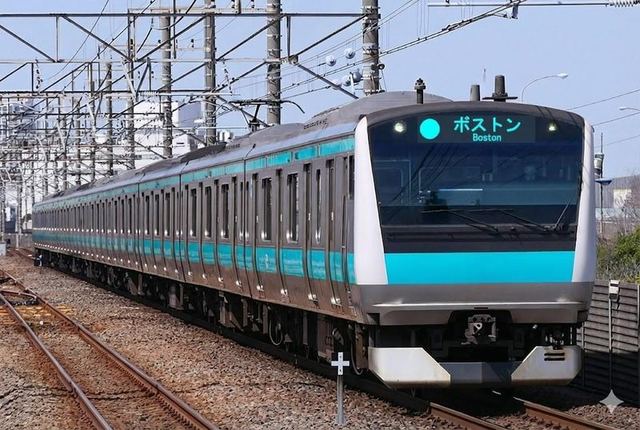
The E233-5000 subseries runs on the Keiyō Line, along Tokyo Bay from Tokyo to Soga past Tokyo Disney Resort, and through to the Sotobō, Uchibō and Tōgane lines. The first set came from JR East's Niitsu factory in March 2010 and entered service on 1 July 2010. Read more on the line's page.
- Cars: 5
- Car Length: 20 m (65.6 ft)
- Platform Length: 100 m (328.1 ft)
Miami Metrorail (Hitachi Rail Italy) cars
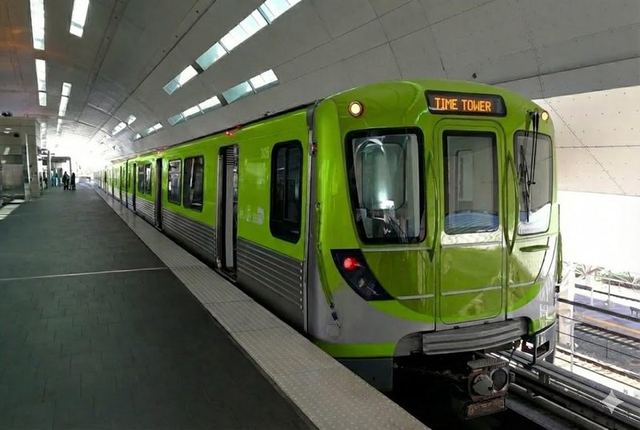
Miami-Dade Transit's Metrorail opened in 1984 with Budd "Universal Transit Vehicle" cars built in Philadelphia in 1983, the same design as Baltimore's. In November 2012 the county approved a $313 million contract with AnsaldoBreda for 136 new cars, assembled at a purpose-built plant in Medley, Florida. Read more on the line's page.
- Cars: 2
- Car Length: 22.86 m (75 ft)
- Platform Length: 60 m (197 ft)
Baltimore Metro (Hitachi Rail Italy) cars
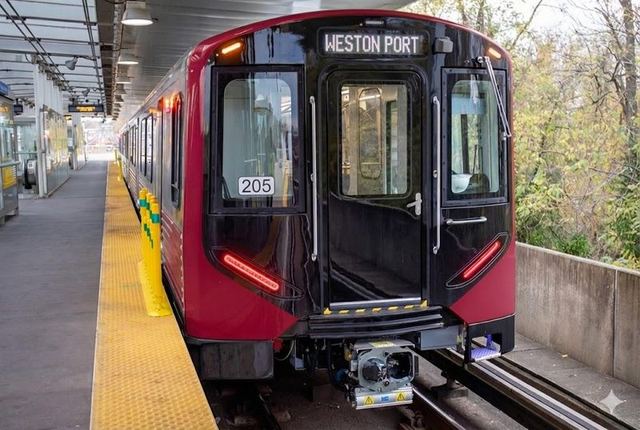
Baltimore's Metro SubwayLink opened in 1983 with 100 Budd cars, the same design as Miami's original Metrorail cars, overhauled in 2002–2005. In July 2017 the Maryland Transit Administration announced a $400.5 million contract with Hitachi Rail Italy for 78 new cars together with a new communications-based train control (CBTC) signalling system. Read more on the line's page.
- Cars: 5
- Car Length: 22.86 m (75 ft)
- Platform Length: 120 m (393.7 ft)
London Underground (Siemens) 2024 Stock
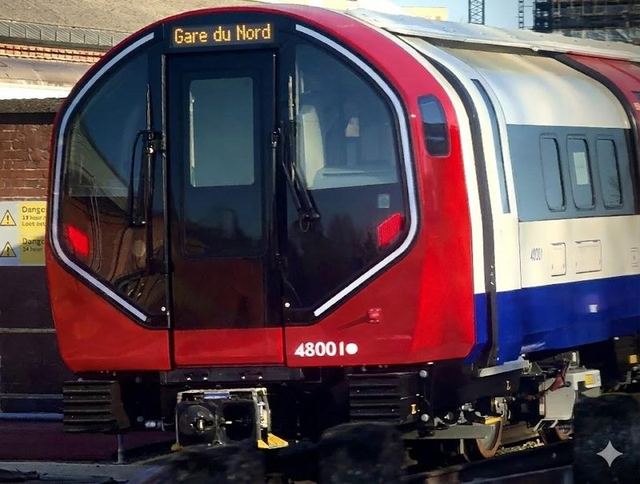
The 2024 Stock is the new train for London Underground's Piccadilly line, part of the "New Tube for London" programme. Siemens Mobility was chosen in June 2018 and signed a £1.5 billion contract that November for 94 nine-car trains, with options for up to 250 trains so the same design can later go to the Bakerloo, Central and Waterloo & City lines. Read more on the line's page.
- Cars: 4
- Car Length: 12.63 m (41.4ft)
- Platform Length: 60 m (131.2 ft)
London Underground (Alstom/Metro-Cammell) 1996 Stock
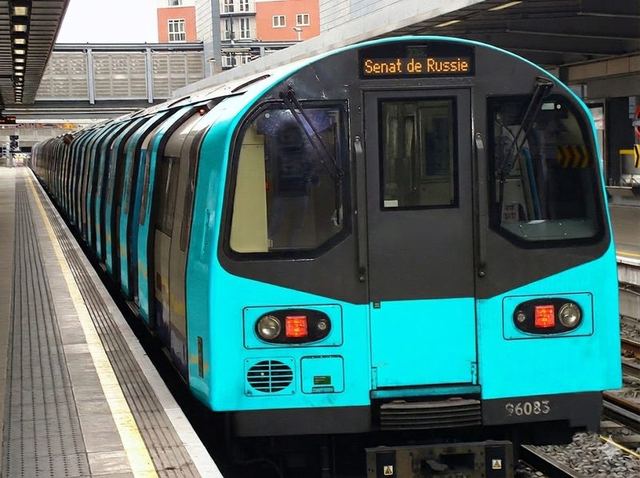
The 1996 Stock runs on London Underground's Jubilee line. It was built by GEC Alsthom-Metro-Cammell (now Alstom) between 1995 and 1998, with the first six trains made in Barcelona and the rest assembled at Washwood Heath in Birmingham. Read more on the line's page.
- Cars: 2
- Car Length: 17.77 m (58.3 ft)
- Platform Length: 40 m (131.2 ft)
London Underground (Alstom/Metro-Cammell) 1995 Stock
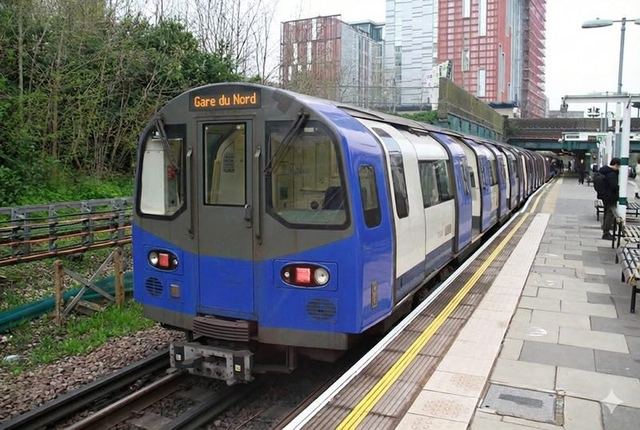
The 1995 Stock runs on London Underground's Northern line. Unusually, it was bought through a private finance deal signed in April 1995: Alstom designed, built and financed the trains and still maintains them, a contract that has been extended to 2033. Read more on the line's page.
- Cars: 2
- Car Length: 17.77 m (58.3 ft)
- Platform Length: 40 m (131.2 ft)
JR East (JR East Niitsu, Kawasaki, Tokyu Car, J-TREC) E233-0 Series
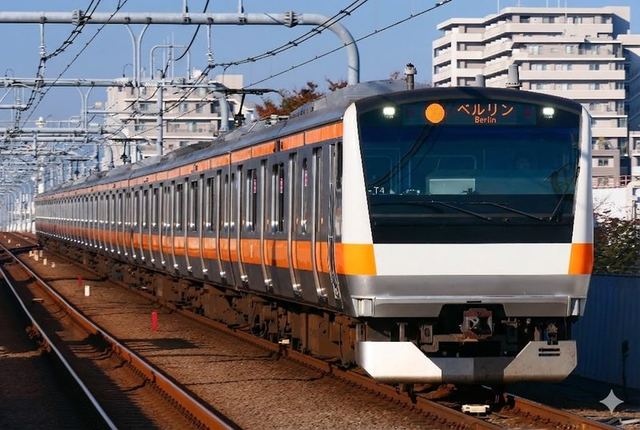
The E233-0 subseries was the first E233 built, for the Chūō Rapid Line from Tokyo to Takao and the Ōme and Itsukaichi lines, where it replaced the orange 201 series. It entered service on 26 December 2006, and 688 cars were delivered by March 2008 as ten-car, six-car and four-car sets. Read more on the line's page.
- Cars: 7
- Car Length: 20 m (65.6 ft)
- Platform Length: 138 m (452.8 ft)
JR East (JR East Niitsu, Kawasaki, Tokyu Car) E233-1000 Series
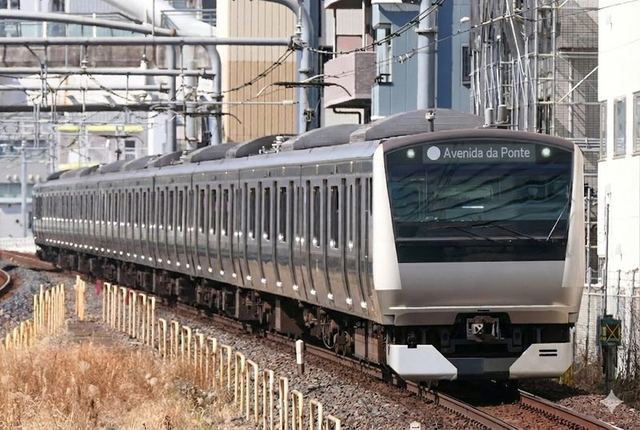
The E233-1000 subseries was built for the Keihin–Tōhoku and Negishi lines, which run north–south through central Tokyo and on to Yokohama and Ōfuna. The first set entered service on 22 December 2007, and 83 ten-car sets replaced the 209 series. Read more on the line's page.
- Cars: 5
- Car Length: 20 m (65.6 ft)
- Platform Length:101 m (331.4 ft)
JR East (Tokyu Car, J-TREC) E233-2000 Series
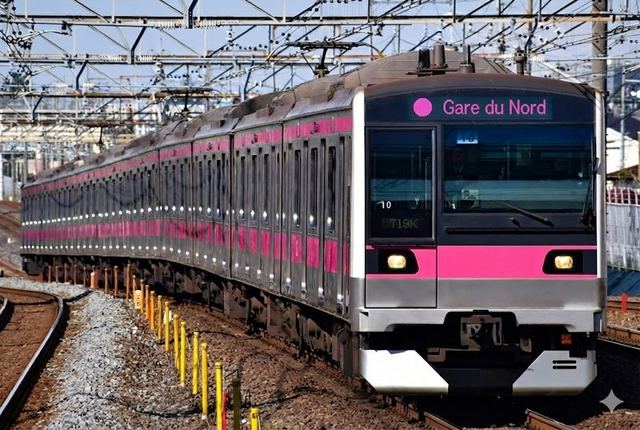
The E233-2000 subseries was built for the Jōban local line and its through service onto the Tokyo Metro Chiyoda Line, and since 2016 onto Odakyu lines as well. It entered service on 9 September 2009 and replaced the 203 and 207-900 series. Read more on the line's page.
- Cars: 5
- Car Length: 20 m (65.6 ft)
- Platform Length: 104 m
Vancouver Skytrain (Alstom) Mark V
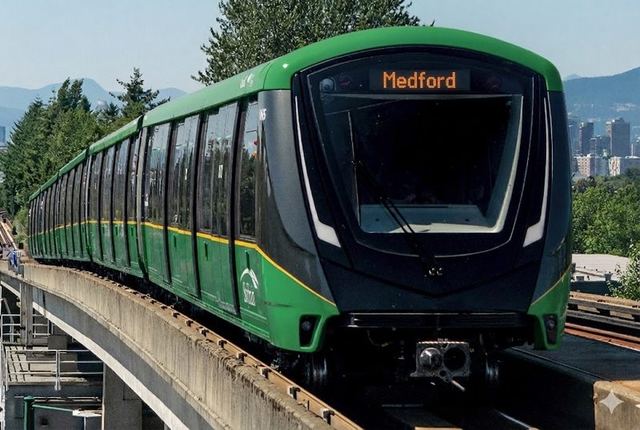
The Mark V is the newest train for Vancouver's SkyTrain Expo and Millennium lines, built by Alstom (which took over Bombardier, the maker of the earlier SkyTrain cars). TransLink ordered 41 five-car trains in late 2020 and six more in May 2024, to replace the original 1980s Mark I cars and to add capacity for the Millennium Line's Broadway extension. Read more on the line's page.
- Cars: 2
- Car Length: 17.35 m (56.9 ft)
- Platform Length: 40 m (131.2 ft)
Vancouver Skytrain (Hyundai Rotem) EMU
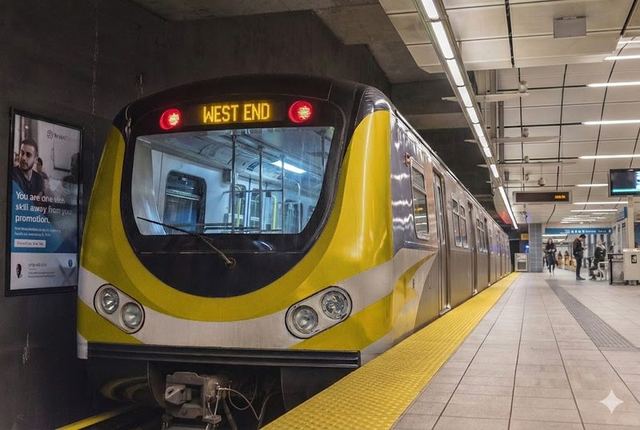
The Canada Line, from downtown Vancouver to Richmond and the airport, opened on 17 August 2009, in time for the 2010 Winter Olympics, with 20 two-car trains built by Hyundai Rotem in South Korea. It was built and is run under a public–private partnership, separately from the Expo and Millennium lines. Read more on the line's page.
- Cars: 2
- Car Length: 20.5 m (67.3 ft)
- Platform Length: 40 m (131.2 ft)
Vancouver Skytrain (Bombardier) ART Mark II (2nd generation)
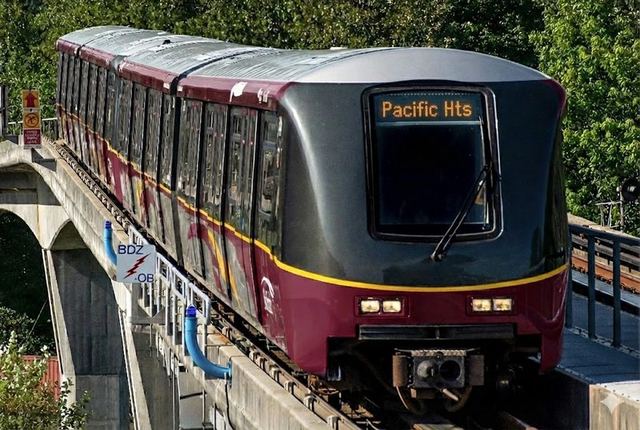
The Mark II (Bombardier's ART 200) was the second generation of SkyTrain cars, ordered for the opening of the Millennium Line in 2002, with 48 more cars ordered in 2009 to add capacity before the Canada Line and the 2010 Winter Olympics. They run on both the Expo and Millennium lines. Read more on the line's page.
- Cars: 2
- Car Length: 17.35 m (56.9 ft)
- Platform Length: 40 m (131.2 ft)
Vancouver Skytrain (Bombardier) Innovia Metro Mark III
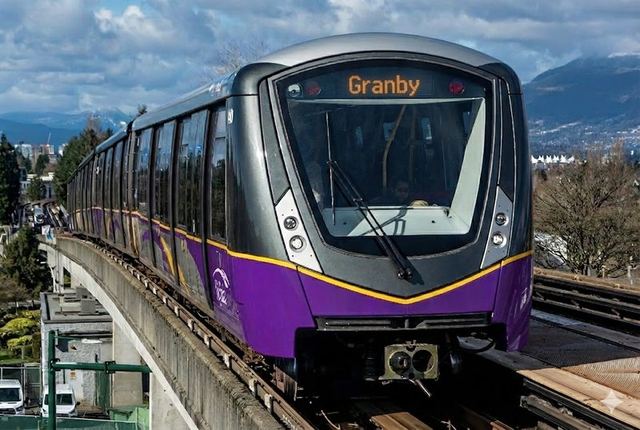
The Mark III (Bombardier's Innovia Metro 300) is the third generation of SkyTrain cars, and Vancouver was the first customer for the design. Deliveries began in 2015 and the first trains entered service in August 2016, for the Evergreen Extension of the Millennium Line. Read more on the line's page.
- Cars: 2
- Car Length: 17.025 m (55.9 ft)
- Platform Length: 40 m (131.2 ft)
71-911 (PC Transport Systems / Tverskyo Vagonostroitelniy) Light Rail Cars
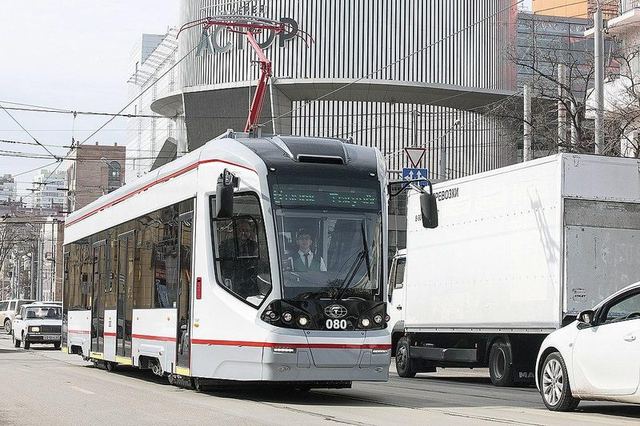
The 71-911 "City Star" is a tram built by PC Transport Systems in Russia, mainly at the Tver Carriage Works. Production began in 2014, and the first trams entered service in Tver that year. Read more on the line's page.
- Cars: 4
- Car Length: 16.4 m (53.8 ft)
- Platform Length: 80 m (262.5 ft)
Seoul Metro 3000 series (second generation, second batch) (Dawonsys)

Seoul Subway Line 3's VVVF-controlled 3000-series trains came in two batches. Hyundai Rotem built the first, 34 trains, in 2009–2010. Read more on the line's page.
- Cars: 3
- Car Length: 19.5 m
- Platform Length: 60 m
Seoul Metro 4000 series (fifth generation)

Seoul Subway Line 4's 4000-series trains were Seoul's first VVVF trains: the first batch, built by Hyundai Precision in 1993, and the second, by Daewoo Heavy Industries in 1994–1995. No new trains came for 25 years, until Hyundai Rotem built five trains (50 cars) in 2020 for the Jinjeop Line extension; those are owned by the national government. Read more on the line's page.
- Cars: 4
- Car Length: 19.5
- Platform Length: 90 m
Seoul Metro 5000 Series (5th generation)

Seoul Subway Line 5 has 105 eight-car trains (840 cars) of the 5000 series, bought in six batches. Hyundai Precision built the first two batches in 1994–1996 for the line's opening. Read more on the line's page.
- Cars: 4
- Car Length: 19.5 m
- Platform Length: 90 m